Packaged rooftop units (RTUs) heat and cool most offices, retail centers, restaurants and light industrial buildings in Dallas-Fort Worth. They sit in full sun on a roof that can reach well over 150 degrees in July, and many run 12 or more hours a day from April to October. A clear maintenance schedule is the difference between a predictable expense and a string of emergency calls during the hottest week of the year. Here is the schedule we recommend for most DFW commercial properties.
Monthly (or every service visit in peak season)
- Filters. Check and replace as needed. Buildings with heavy traffic, restaurants and warehouses often need monthly changes in summer. A clogged filter is behind many frozen coils and high-limit trips.
- Visual check of the unit. Look for loose or missing panels, oil stains (a sign of refrigerant leaks), unusual noise and standing water around the unit.
- Condensate drains. Make sure the drain line and trap are clear, especially on units over finished ceilings.
- Thermostat and controls. Confirm schedules match the building’s actual hours, including holidays.
Quarterly
- Belts and pulleys on belt-drive blowers: check tension, wear and alignment.
- Coils: inspect condenser coils for cottonwood, dirt and debris; clean as needed before peak season.
- Electrical: check contactors, capacitors and connections for wear or heat damage.
- Economizers: confirm dampers open and close properly and that actuators and sensors work. A stuck economizer can let hot, humid outside air in all summer.
Spring cooling start-up (March to April)
- Full condenser and evaporator coil cleaning.
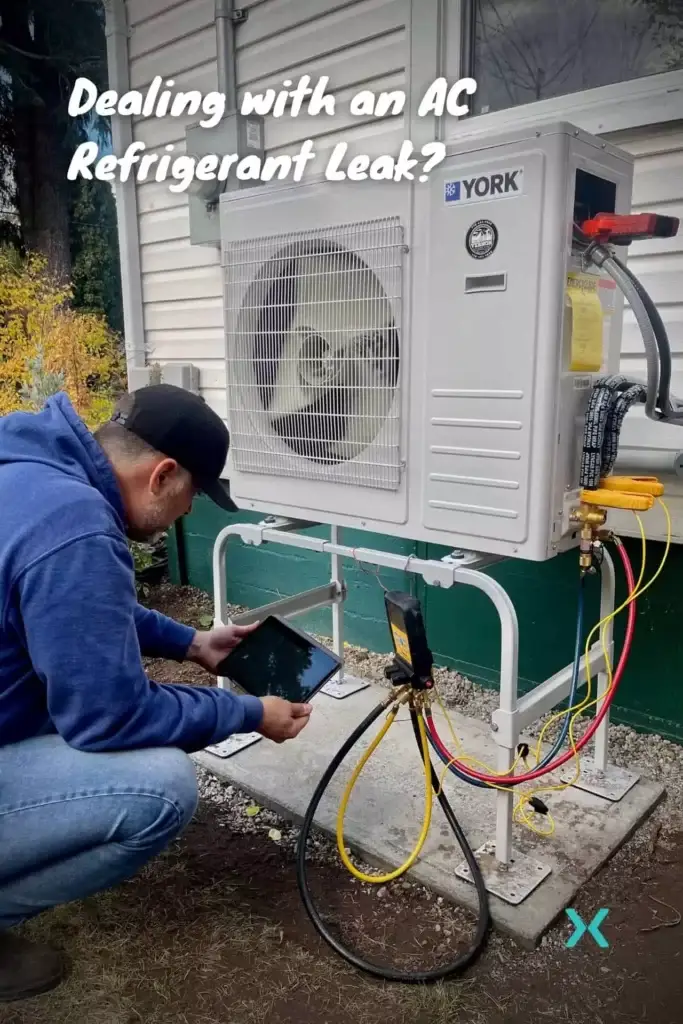
- Refrigerant pressures and temperatures checked against the manufacturer’s specifications.
- Compressor amperage, capacitor readings and contactor condition.
- Condenser fan motors and blades.
- Drain pans cleaned and treated, drain lines flushed.
- Supply and return temperatures measured to confirm the unit is actually cooling as designed.
- Curb, gaskets and panels inspected for water and air leaks.
Fall heating start-up (October to November)
- Gas heat sections inspected: burners cleaned, ignition and flame sensing tested, heat exchanger visually inspected for cracks or corrosion.
- Gas pressure and combustion venting checked.
- Heat pump units: reversing valve, defrost controls and backup heat tested.
- Economizer and outdoor-air dampers checked for winter operation.
- Freeze-protection steps for the building. See commercial HVAC freeze prep.
What a DFW summer does to rooftop units
Texas heat is especially hard on capacitors, contactors, condenser fan motors and compressors. Dirty condenser coils make all of those work harder and draw more current. That is why a thorough spring coil cleaning and electrical check pays off. It addresses the parts most likely to fail on the first 100-degree week.
Keep a record for every unit
Each RTU should have its own record: make, model, serial number, age, tonnage, refrigerant type, filter size and a history of repairs. Over time that record shows which units are costing the most and helps you plan replacements instead of reacting to failures. Our guide on whether to repair or replace a rooftop unit explains how to use that history.
Put it on a schedule you do not have to manage
A commercial maintenance agreement puts every unit on a set schedule, with written reports after each visit and priority service when something does fail. For property managers with several buildings, it also keeps everything on one consistent plan. See our property management HVAC services.
Frequently asked questions
How often should rooftop units be serviced?
Most DFW commercial RTUs should have a full inspection at least twice a year (spring cooling and fall heating), with filter checks monthly to quarterly depending on use.
When should RTU maintenance be done in Texas?
Schedule cooling start-up in March or April before the heat arrives, and heating start-up in October or November.
What is included in RTU maintenance?
Filters, coil cleaning, refrigerant pressures, electrical components, belts and motors, drains, economizers, controls and, in fall, gas heat or heat pump checks.
Why do rooftop units fail more in summer?
Long run times and extreme heat stress capacitors, contactors, fan motors and compressors, especially when condenser coils are dirty.
Need help with your commercial HVAC?
CandelTech Services works with property managers and business owners across Dallas-Fort Worth: repairs, maintenance agreements and replacements, with 24/7 emergency service.