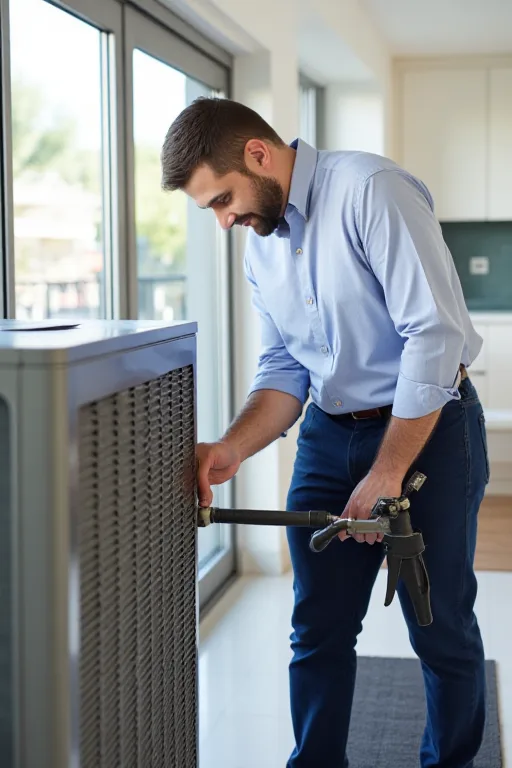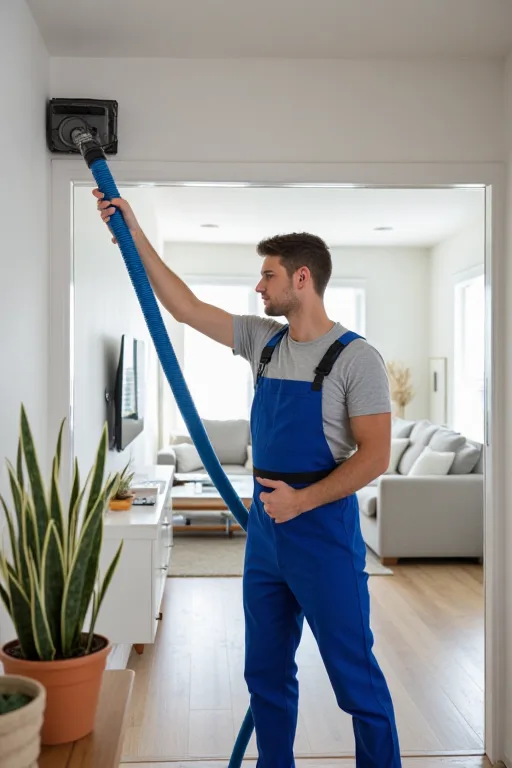
HVAC Duct Inspection and Cleaning

HVAC Duct Inspection and Cleaning: Ensuring Efficiency and Air Quality

HVAC Duct Inspection and Cleaning: Ensuring Efficiency and Air Quality

Introduction to HVAC Duct Inspection and Cleaning

Your HVAC system's ductwork plays a pivotal role in distributing heated or cooled air throughout your home or office. Over time, ducts can accumulate dust, debris, allergens, and even mold, which can impede airflow and degrade indoor air quality. Regular HVAC duct inspection and cleaning are essential practices to ensure your system operates efficiently and maintains a healthy living environment.

This comprehensive guide delves into the importance of HVAC duct inspection and cleaning, outlines the inspection and cleaning processes, highlights the benefits, and provides tips on selecting the right service provider for your needs.

Importance of HVAC Duct Inspection and Cleaning

Regular inspection and cleaning of your HVAC ducts are crucial for several reasons:

  • Improved Air Quality: Clean ducts reduce the presence of dust, allergens, and pollutants, leading to healthier indoor air.
  • Enhanced System Efficiency: Clean ducts ensure unobstructed airflow, allowing your HVAC system to operate more efficiently and reducing energy consumption.
  • Extended Equipment Lifespan: Regular maintenance minimizes wear and tear on your HVAC system, extending its operational lifespan.
  • Reduced Energy Bills: Efficient airflow means your system doesn't have to work as hard, leading to lower energy bills.
  • Prevention of Mold Growth: Inspecting and cleaning ducts helps prevent moisture buildup and mold growth, which can pose health risks.
  • Enhanced Comfort: Consistent and balanced airflow ensures even heating and cooling throughout your space.

HVAC Duct Inspection Process

HVAC duct inspection involves a thorough examination of your ductwork to identify any issues that may affect system performance or indoor air quality. Here's what the inspection typically entails:

  • Visual Inspection: Technicians visually inspect the ducts for signs of dust buildup, leaks, blockages, or damage.
  • Airflow Measurement: Measuring the airflow helps determine if there are any obstructions or inefficiencies in the system.
  • Leak Detection: Identifying and sealing leaks in the ductwork prevents conditioned air from escaping and ensures optimal performance.
  • Moisture Assessment: Checking for moisture or water damage helps prevent mold growth and structural issues.
  • Overall System Evaluation: Assessing the entire HVAC system to ensure all components are functioning correctly and efficiently.

HVAC Duct Cleaning Process

Once an inspection reveals that your ducts require cleaning, the process typically involves the following steps:

  • Preparation: Technicians cover and protect your home to prevent any debris from spreading during the cleaning process.
  • Agitation: Specialized brushes and air whips are used to dislodge dust and debris from the duct surfaces.
  • Extraction: Powerful vacuums and filtration systems remove the loosened contaminants from the ducts.
  • Sanitization: In cases where mold or bacteria is present, sanitizing agents are applied to disinfect the ducts.
  • Final Inspection: A post-cleaning inspection ensures that the ducts are thoroughly cleaned and any issues are addressed.

Benefits of HVAC Duct Inspection and Cleaning

Engaging in regular HVAC duct inspection and cleaning offers numerous advantages:

  • Healthier Indoor Environment: Reduces allergens, dust, and pollutants, promoting better respiratory health.
  • Energy Efficiency: Enhanced airflow leads to reduced energy consumption and lower utility bills.
  • Extended HVAC System Lifespan: Minimizes wear and tear, ensuring your system remains reliable for years.
  • Cost Savings: Prevents costly repairs and optimizes system performance, saving you money in the long run.
  • Improved Comfort: Consistent heating and cooling maintain a comfortable indoor environment throughout the year.
  • Prevents Mold and Mildew: Early detection and cleaning prevent mold growth, safeguarding your health and property.

Choosing the Right HVAC Duct Inspection and Cleaning Service

Selecting a reputable and experienced HVAC duct inspection and cleaning service is essential for ensuring quality results. Consider the following factors when choosing a service provider:

  • Certification and Licensing: Ensure the company is certified by reputable organizations such as the National Air Duct Cleaners Association (NADCA).
  • Experience: Choose a company with extensive experience in duct inspection and cleaning.
  • Customer Reviews: Check online reviews and testimonials to gauge customer satisfaction and service quality.
  • Transparent Pricing: Opt for services that provide clear and upfront pricing without hidden fees.
  • Comprehensive Services: Select a provider that offers a full range of services, including inspection, cleaning, sanitization, and duct sealing.
  • Insurance: Ensure the company is fully insured to protect against any potential damages during the cleaning process.
  • Guarantees: Look for services that offer satisfaction guarantees or warranties on their work.
  • Professional Equipment: Choose a company that uses state-of-the-art equipment and eco-friendly cleaning agents.

Frequently Asked Questions (FAQs)

1. Why is HVAC duct inspection important?

Answer: HVAC duct inspection is important because it helps identify issues such as leaks, blockages, and contamination that can affect system efficiency and indoor air quality.

2. How often should I have my HVAC ducts inspected?

Answer: It is recommended to have your HVAC ducts inspected at least once a year, preferably before the heating or cooling season.

3. What are the signs that my HVAC ducts need cleaning?

Answer: Signs include visible dust and debris around vents, increased allergy symptoms, uneven temperatures, higher energy bills, and visible mold or mildew growth.

4. How does duct cleaning improve energy efficiency?

Answer: Clean ducts allow for unobstructed airflow, reducing the workload on your HVAC system and lowering energy consumption.

5. Can duct cleaning reduce allergies and asthma symptoms?

Answer: Yes, duct cleaning removes allergens, dust, and pollutants from the air ducts, improving indoor air quality and reducing allergy and asthma symptoms.

6. How long does the duct cleaning process take?

Answer: The duct cleaning process typically takes between 2 to 4 hours, depending on the size and complexity of your ductwork.

7. Is duct cleaning safe for my HVAC system?

Answer: Yes, professional duct cleaning is safe for your HVAC system when performed by trained and certified technicians using proper equipment.

8. Do I need to prepare my home before duct cleaning?

Answer: Minimal preparation is needed. Ensure that vents are accessible and clear of obstructions. The technicians will handle any necessary protection of your home during the process.

9. How much does professional HVAC duct cleaning cost?

Answer: The cost varies based on factors such as the size of your home, the complexity of the ductwork, and the extent of cleaning required. On average, professional duct cleaning can range from $300 to $700.

10. Can I clean my HVAC ducts myself?

Answer: While some DIY methods can help reduce dust, professional cleaning is recommended for thorough removal of contaminants and to ensure the job is done safely and effectively.

11. How do I choose a reputable duct cleaning company?

Answer: Choose a company that is certified by organizations like NADCA, has positive customer reviews, offers transparent pricing, and uses professional-grade equipment.

12. What should I expect during a professional duct cleaning service?

Answer: Expect technicians to inspect your ductwork, use specialized tools to dislodge and remove contaminants, sanitize the ducts if necessary, and perform a final inspection to ensure thorough cleaning.

13. Can duct cleaning prevent HVAC system breakdowns?

Answer: Yes, regular duct cleaning can prevent system breakdowns by ensuring unobstructed airflow and reducing the strain on your HVAC components.

14. Does duct cleaning eliminate all dust in my home?

Answer: While duct cleaning significantly reduces dust and contaminants in your ducts, some dust may still settle in other areas of your home. Regular cleaning and maintenance can help maintain low dust levels.

15. Is duct cleaning covered by homeowners insurance?

Answer: Generally, duct cleaning is not covered by homeowners insurance as it is considered routine maintenance. However, check with your insurance provider for specific coverage details.

16. How can I maintain clean ducts between professional cleanings?

Answer: Regularly replace or clean air filters, keep vents unobstructed, control indoor humidity levels, and ensure that your HVAC system is running efficiently.

17. Can duct cleaning help with energy savings?

Answer: Yes, clean ducts improve airflow efficiency, allowing your HVAC system to operate more effectively and reducing energy consumption.

18. Are there any health risks associated with dirty ducts?

Answer: Yes, dirty ducts can harbor allergens, mold, bacteria, and other contaminants that can aggravate respiratory issues and cause health problems.

19. What types of contaminants are removed during duct cleaning?

Answer: Duct cleaning removes dust, dirt, debris, pollen, mold, pet dander, and other airborne particles that accumulate in the ductwork.

20. How soon will I notice improvements after duct cleaning?

Answer: Many homeowners notice immediate improvements in air quality and system performance, while others may observe gradual changes as contaminants are fully removed from the ductwork.

Additional Relevant Keywords

  • Professional duct cleaning
  • Air duct services
  • Indoor air quality improvement
  • Duct sealing services
  • Duct sanitization
  • Residential duct cleaning
  • Commercial duct services
  • Air filtration systems
  • Duct maintenance services
  • HVAC contractors
  • Duct cleaning process
  • Air flow optimization
  • Duct cleaning benefits
  • HVAC system optimization
  • Ductwork inspection checklist
  • Energy-efficient HVAC
  • Clean air ducts
  • HVAC duct inspection checklist
  • Air duct cleaning cost
  • HVAC duct cleaning benefits
  • Affordable duct cleaning
  • Eco-friendly duct cleaning
  • Duct cleaning equipment
  • HVAC duct sanitization
  • Air duct cleaning tips
  • HVAC air duct cleaning services

© 2024 Your HVAC Company. All rights reserved.

Preventive HVAC Maintenance

Preventive HVAC Maintenance: Essential Tips for Optimal Performance

Preventive HVAC Maintenance: Essential Tips for Optimal Performance

Introduction to Preventive HVAC Maintenance

Your Heating, Ventilation, and Air Conditioning (HVAC) system plays a crucial role in maintaining a comfortable indoor environment. However, like any mechanical system, it requires regular maintenance to operate efficiently and effectively. Preventive HVAC maintenance involves routine inspections, cleaning, and repairs to prevent unexpected breakdowns and extend the lifespan of your equipment.

In this guide, we will explore the importance of preventive HVAC maintenance, provide essential maintenance tips, highlight the benefits, and offer advice on choosing the right maintenance plan for your needs.

Importance of Preventive HVAC Maintenance

Preventive maintenance is essential for ensuring that your HVAC system functions optimally, providing consistent comfort while minimizing energy consumption and costly repairs. Here are some key reasons why preventive HVAC maintenance is important:

  • Enhanced Efficiency: Regular maintenance ensures that your HVAC system operates at peak efficiency, reducing energy consumption and lowering utility bills.
  • Extended Lifespan: Routine upkeep helps prevent wear and tear, extending the lifespan of your HVAC equipment and delaying the need for costly replacements.
  • Improved Air Quality: Cleaning and replacing filters regularly ensures better indoor air quality by removing dust, allergens, and pollutants from the air.
  • Cost Savings: Preventive maintenance can identify and address minor issues before they escalate into major, expensive problems.
  • Reliability: A well-maintained HVAC system is less likely to experience unexpected breakdowns, ensuring consistent comfort throughout the year.
  • Safety: Regular inspections can detect potential safety hazards, such as gas leaks or electrical issues, protecting your home and family.

Top Preventive HVAC Maintenance Tips

Implementing these preventive maintenance tips can help keep your HVAC system running smoothly and efficiently:

1. Schedule Regular Inspections

Have a professional HVAC technician inspect your system at least twice a year—once before the cooling season and once before the heating season. These inspections can identify potential issues and ensure that your system is ready for peak usage periods.

2. Replace or Clean Air Filters

Dirty or clogged air filters restrict airflow, causing your HVAC system to work harder and consume more energy. Replace or clean air filters every 1-3 months, depending on usage and filter type.

3. Clean Condenser and Evaporator Coils

Over time, coils can accumulate dirt and debris, reducing their ability to transfer heat efficiently. Clean the coils regularly to maintain optimal performance and prevent overheating.

4. Inspect and Seal Ductwork

Leaky ducts can lead to significant energy losses and uneven heating or cooling. Inspect ductwork for leaks, gaps, and disconnected joints, and seal them using duct tape or mastic sealant.

5. Check Refrigerant Levels

Low refrigerant levels can impair your system's cooling performance and damage the compressor. Regularly check refrigerant levels and recharge them as needed, ensuring there are no leaks in the system.

6. Lubricate Moving Parts

Regular lubrication of motors, bearings, and other moving parts reduces friction and wear, enhancing system efficiency and extending component lifespan.

7. Test Thermostat Accuracy

A malfunctioning thermostat can lead to inefficient system operation. Test your thermostat to ensure it accurately reflects the room temperature and adjust or replace it if necessary.

8. Clear Debris Around Outdoor Units

Keep the area around your outdoor condenser unit free from leaves, grass, and other debris to ensure proper airflow and prevent system overheating.

9. Inspect Electrical Connections

Loose or corroded electrical connections can cause system failures and pose safety hazards. Have a technician inspect and tighten electrical connections during regular maintenance.

10. Monitor System Performance

Keep an eye on your HVAC system's performance, noting any unusual noises, odors, or changes in temperature consistency. Address any irregularities promptly to prevent further issues.

11. Install a Programmable Thermostat

Programmable thermostats allow you to set temperature schedules based on your daily routine, reducing unnecessary HVAC operation and saving energy.

12. Ensure Proper Insulation

Proper insulation in your home helps maintain consistent temperatures, reducing the demand on your HVAC system and enhancing overall energy efficiency.

13. Utilize Zoning Systems

Zoning systems allow you to control temperatures in different areas of your home independently, preventing energy waste by heating or cooling only occupied zones.

14. Schedule Seasonal Maintenance

Adjust your HVAC maintenance schedule based on seasonal changes to address specific challenges, such as cleaning coils before summer or inspecting heating components before winter.

15. Educate Household Members

Ensure that everyone in your household understands the importance of HVAC maintenance and follows best practices, such as not blocking vents and maintaining proper thermostat settings.

16. Upgrade to Energy-Efficient Components

Consider upgrading to energy-efficient HVAC components, such as high-efficiency furnaces, air conditioners, and variable-speed motors, to enhance system performance and reduce energy consumption.

17. Monitor Humidity Levels

Maintaining optimal indoor humidity levels improves comfort and reduces the strain on your HVAC system. Use dehumidifiers or humidifiers as needed to regulate humidity.

18. Clean or Replace Blower Motor Parts

Regularly clean or replace blower motor parts, such as bearings and belts, to ensure smooth operation and prevent system strain.

19. Check for Signs of Wear and Tear

Regularly inspect your HVAC system for signs of wear and tear, such as rust, corrosion, or frayed wires, and address any issues promptly.

20. Keep a Maintenance Log

Maintain a log of all HVAC maintenance activities, including inspections, cleanings, and repairs. This record helps track your system's history and plan future maintenance tasks effectively.

Benefits of Preventive HVAC Maintenance

Engaging in preventive HVAC maintenance offers numerous advantages that enhance both the functionality and longevity of your system:

  • Increased Efficiency: A well-maintained HVAC system operates more efficiently, reducing energy consumption and lowering utility bills.
  • Extended Equipment Lifespan: Regular maintenance prevents premature wear and tear, extending the lifespan of your HVAC system and delaying costly replacements.
  • Improved Air Quality: Clean filters and coils ensure better indoor air quality by removing dust, allergens, and pollutants from the air.
  • Reduced Repair Costs: Identifying and addressing minor issues early prevents them from escalating into major, expensive repairs.
  • Enhanced Comfort: Consistent performance of your HVAC system ensures a comfortable indoor environment, free from temperature fluctuations and discomfort.
  • Safety Assurance: Regular inspections can detect potential safety hazards, such as gas leaks or electrical issues, ensuring the safety of your home and family.
  • Environmental Benefits: Efficient HVAC systems consume less energy, reducing your carbon footprint and contributing to environmental sustainability.

Choosing the Right Preventive HVAC Maintenance Plan

Selecting the appropriate maintenance plan is essential for maximizing the benefits of preventive HVAC maintenance. Consider the following factors when choosing a plan:

  • Frequency of Maintenance: Determine how often you need maintenance based on your system’s usage and the local climate. Typically, twice a year is recommended—once for heating and once for cooling.
  • Included Services: Ensure that the maintenance plan covers essential services such as inspections, cleaning, filter replacement, and minor repairs.
  • Cost: Compare the costs of different maintenance plans and assess the value they provide. Look for plans that offer comprehensive coverage at a reasonable price.
  • Reputation of the Service Provider: Choose a reputable HVAC company with positive reviews and a track record of providing reliable maintenance services.
  • Flexibility: Opt for a maintenance plan that offers flexibility in scheduling and allows you to add or remove services as needed.
  • Warranty and Guarantees: Look for maintenance plans that include warranties or guarantees on the services provided, ensuring peace of mind.
  • Additional Benefits: Some maintenance plans offer additional perks, such as priority service, discounts on repairs, or free emergency calls.

Frequently Asked Questions (FAQs)

1. What is preventive HVAC maintenance?

Answer: Preventive HVAC maintenance involves routine inspections, cleaning, and minor repairs to ensure that your heating, ventilation, and air conditioning systems operate efficiently and effectively, preventing unexpected breakdowns.

2. How often should I perform HVAC maintenance?

Answer: It is recommended to perform HVAC maintenance at least twice a year—once before the cooling season and once before the heating season—to ensure optimal performance and efficiency.

3. What are the benefits of preventive HVAC maintenance?

Answer: Benefits include increased system efficiency, extended equipment lifespan, improved air quality, reduced repair costs, enhanced comfort, safety assurance, and environmental sustainability.

4. Can preventive maintenance save me money?

Answer: Yes, preventive maintenance can save you money by reducing energy consumption, preventing costly repairs, and extending the lifespan of your HVAC system.

5. What tasks are typically included in HVAC preventive maintenance?

Answer: Typical tasks include inspecting and cleaning coils, replacing or cleaning air filters, checking refrigerant levels, lubricating moving parts, inspecting electrical connections, and testing system performance.

6. Do I need to be present during HVAC maintenance?

Answer: It is not necessary to be present, but it is beneficial to provide access to your HVAC system and discuss any specific concerns or issues with the technician.

7. How do I choose a reliable HVAC maintenance provider?

Answer: Choose a provider with proper licensing and certification, positive customer reviews, a good reputation, experienced technicians, and comprehensive maintenance plans.

8. Can preventive maintenance detect potential HVAC problems?

Answer: Yes, preventive maintenance can identify early signs of wear, leaks, or other issues, allowing for timely repairs before they escalate into major problems.

9. Is preventive HVAC maintenance necessary for older systems?

Answer: Yes, older systems benefit greatly from preventive maintenance as it helps manage wear and tear, maintains efficiency, and prolongs the system's lifespan.

10. What is the cost of preventive HVAC maintenance?

Answer: The cost varies depending on the service provider, the scope of maintenance tasks, and your HVAC system’s size and complexity. On average, preventive maintenance can range from $100 to $300 per visit.

11. How can I schedule HVAC preventive maintenance?

Answer: Contact your local HVAC service provider to schedule regular maintenance appointments. Many companies offer annual maintenance contracts for convenience and cost savings.

12. What happens during an HVAC maintenance visit?

Answer: During a maintenance visit, a technician will inspect and clean various components of your HVAC system, check refrigerant levels, replace or clean filters, lubricate moving parts, and test system performance to ensure everything is functioning correctly.

13. Can preventive maintenance improve my HVAC system's efficiency?

Answer: Yes, preventive maintenance ensures that all components are clean, functioning properly, and operating efficiently, which enhances the overall efficiency of your HVAC system.

14. Are there any warranties associated with preventive HVAC maintenance?

Answer: Some HVAC maintenance plans come with warranties or guarantees on the services provided. It’s important to inquire about warranty terms when selecting a maintenance plan.

15. Can preventive maintenance help with energy savings?

Answer: Yes, maintaining your HVAC system ensures it operates efficiently, reducing energy consumption and lowering your utility bills.

16. Do I need to perform any tasks between maintenance visits?

Answer: Yes, you should regularly replace or clean air filters, keep the area around outdoor units clear of debris, and monitor your system’s performance for any unusual signs.

17. How long does preventive HVAC maintenance take?

Answer: A typical maintenance visit can take between 1 to 3 hours, depending on the complexity of your HVAC system and the extent of the maintenance tasks performed.

18. Can preventive maintenance prevent HVAC breakdowns?

Answer: While it cannot guarantee that breakdowns will never occur, preventive maintenance significantly reduces the likelihood of unexpected system failures by addressing issues early.

19. Should I perform DIY maintenance tasks?

Answer: While some tasks like replacing air filters can be done by homeowners, most HVAC maintenance tasks should be performed by trained professionals to ensure safety and effectiveness.

20. How do I know if my HVAC system needs maintenance?

Answer: Signs that your HVAC system needs maintenance include unusual noises, inconsistent temperatures, increased energy bills, poor indoor air quality, and frequent cycling on and off.

Additional Relevant Keywords

  • Preventive HVAC maintenance
  • HVAC maintenance tips
  • HVAC system upkeep
  • HVAC maintenance schedule
  • HVAC maintenance checklist
  • HVAC maintenance benefits
  • HVAC maintenance services
  • HVAC system efficiency
  • HVAC maintenance cost
  • HVAC maintenance plan
  • Seasonal HVAC maintenance
  • HVAC filter replacement
  • HVAC coil cleaning
  • HVAC duct inspection
  • HVAC lubrication
  • HVAC troubleshooting
  • HVAC repair prevention
  • HVAC energy efficiency
  • HVAC lifespan extension
  • HVAC maintenance guide
  • HVAC tune-up services
  • HVAC preventive measures
  • HVAC performance optimization
  • Professional HVAC maintenance
  • HVAC maintenance contracts
  • HVAC service agreements

© 2024 Your HVAC Company. All rights reserved.

HVAC Energy Saving Tips in Colleyville, Texas

HVAC Energy Saving Tips in Colleyville, Texas: Optimize Comfort and Reduce Bills

HVAC Energy Saving Tips in Colleyville, Texas: Optimize Comfort and Reduce Bills

Understanding HVAC Systems and Energy Consumption

Heating, Ventilation, and Air Conditioning (HVAC) systems are integral to maintaining indoor comfort by regulating temperature, humidity, and air quality. However, these systems can be significant energy consumers, especially in regions like Colleyville, Texas, which experiences extreme temperatures throughout the year. Understanding how HVAC systems operate and where energy is consumed is crucial for implementing effective energy-saving strategies.

How HVAC Systems Use Energy

  • Heating and Cooling: The primary functions of HVAC systems—heating and cooling—consume the most energy. Heating typically uses gas or electricity to warm your home, while cooling relies on electricity to operate the air conditioner or heat pump.
  • Ventilation: Proper ventilation ensures the circulation of fresh air and the removal of stale air. However, excessive or inefficient ventilation can lead to increased energy usage.
  • Air Filtration: Maintaining clean air filters is essential for efficient airflow. Clogged filters force the system to work harder, consuming more energy.
  • System Components: Components like compressors, fans, and blowers are critical for HVAC operation but can be significant energy drains if not functioning optimally.

Impact of Climate in Colleyville, Texas

Colleyville experiences hot summers with temperatures often exceeding 90°F and cold winters that can dip below freezing. This climate variability means your HVAC system is under constant demand, making energy efficiency a top priority for reducing costs and ensuring comfort.

Top HVAC Energy Saving Tips

Implementing energy-saving measures can significantly reduce your HVAC system's energy consumption, leading to lower utility bills and a smaller environmental footprint. Below are 20 actionable tips tailored to homeowners in Colleyville, Texas.

1. Regular HVAC Maintenance

Why It Matters: Regular maintenance ensures that your HVAC system operates efficiently and identifies potential issues before they become costly problems.

  • Schedule annual inspections with a professional HVAC technician.
  • Clean and lubricate moving parts to reduce friction and wear.
  • Check for refrigerant leaks and replenish levels as needed.

2. Upgrade to Energy-Efficient Units

Why It Matters: Newer HVAC models are designed to be more energy-efficient, using advanced technologies to reduce energy consumption while maintaining performance.

  • Consider upgrading to ENERGY STAR® certified HVAC units.
  • Evaluate your current system’s efficiency rating and compare it with newer models.
  • Invest in high-efficiency furnaces and air conditioners to save on long-term energy costs.

3. Install Smart Thermostats

Why It Matters: Smart thermostats optimize your HVAC system's operation based on your schedule and preferences, reducing unnecessary energy usage.

  • Install a smart thermostat like Nest, ecobee, or Honeywell.
  • Utilize features like scheduling, remote control via smartphone, and learning capabilities to enhance efficiency.
  • Integrate with virtual assistants like Amazon Alexa or Google Assistant for hands-free control.

4. Ensure Proper Insulation and Sealing

Why It Matters: Proper insulation and sealing prevent conditioned air from escaping, reducing the workload on your HVAC system.

  • Inspect and upgrade insulation in your attic, walls, and floors.
  • Seal gaps and cracks around windows, doors, and ductwork using caulk or weatherstripping.
  • Consider adding insulation to your basement or crawl spaces to enhance overall home efficiency.

5. Utilize Zoning Systems

Why It Matters: Zoning systems allow you to control temperatures in different areas of your home independently, reducing energy waste.

  • Install zone dampers in your ductwork to direct airflow where it's needed.
  • Use separate thermostats for different zones to customize temperature settings.
  • Optimize HVAC usage based on occupancy and specific room needs.

6. Enhance Ventilation

Why It Matters: Proper ventilation maintains indoor air quality without overburdening your HVAC system, promoting energy efficiency.

  • Install energy recovery ventilators (ERVs) or heat recovery ventilators (HRVs) to improve ventilation efficiency.
  • Use exhaust fans in kitchens and bathrooms to remove excess humidity.
  • Ensure that ventilation systems are balanced and functioning correctly.

7. Use Ceiling Fans

Why It Matters: Ceiling fans circulate air, allowing you to set your thermostat at a higher temperature in the summer and lower in the winter, saving energy.

  • Install ceiling fans in frequently used rooms.
  • Set fans to run counterclockwise in the summer for a cooling breeze.
  • Reverse the direction in the winter to circulate warm air trapped near the ceiling.

8. Optimize Thermostat Settings

Why It Matters: Adjusting your thermostat to optimal settings can significantly reduce energy consumption without sacrificing comfort.

  • Set your thermostat to 78°F (26°C) during the summer when you’re home.
  • Lower the temperature by 7-10°F when you’re away or asleep.
  • In the winter, set your thermostat to 68°F (20°C) when you’re home and lower it when you’re away.

9. Schedule HVAC Usage

Why It Matters: Scheduling HVAC operation based on your daily routine prevents unnecessary energy usage.

  • Use programmable thermostats to automate heating and cooling cycles.
  • Set times for HVAC systems to turn on and off based on occupancy patterns.
  • Avoid overcooling or overheating spaces during peak hours.

10. Clean and Replace Filters Regularly

Why It Matters: Clean filters ensure efficient airflow, reducing the strain on your HVAC system and lowering energy consumption.

  • Check and replace air filters every 1-3 months, depending on usage.
  • Use high-efficiency filters (MERV 11 or higher) to capture more airborne particles.
  • Consider filter replacement reminders or automatic filter changers for convenience.

11. Landscaping for Energy Efficiency

Why It Matters: Strategic landscaping can provide natural shading and wind protection, reducing HVAC system workload.

  • Plant trees and shrubs around your home to shade windows and outdoor HVAC units.
  • Use deciduous trees that lose leaves in winter to allow sunlight in during colder months.
  • Trim vegetation away from vents and outdoor units to ensure proper airflow.

12. Seal Ductwork

Why It Matters: Sealed ductwork prevents air leaks, ensuring that conditioned air reaches its intended destination efficiently.

  • Inspect ductwork for leaks and seal them with mastic sealant or metal tape.
  • Insulate ducts in unconditioned areas to reduce heat loss or gain.
  • Ensure that ductwork is properly connected and free from obstructions.

13. Reflective Roofing

Why It Matters: Reflective roofing materials reduce heat absorption, keeping your home cooler and reducing the demand on your cooling system.

  • Install cool roofs with reflective coatings or materials.
  • Choose light-colored roofing materials that reflect more sunlight.
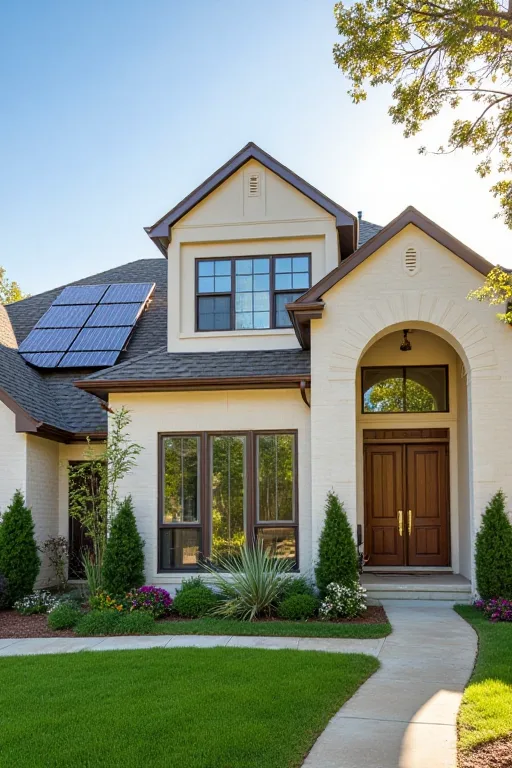
  • Consider adding solar panels to your roof to generate renewable energy and shade your HVAC units.

14. Insulate Ducts

Why It Matters: Insulating ducts in unconditioned spaces prevents energy loss, enhancing HVAC system efficiency.

  • Use duct insulation sleeves or wraps to cover exposed ducts.
  • Ensure that all ductwork in attics, basements, and crawl spaces is adequately insulated.
  • Check for any gaps or exposed areas and address them promptly.

15. Energy-Efficient Lighting

Why It Matters: Energy-efficient lighting reduces overall energy consumption, decreasing the load on your HVAC system.

  • Replace incandescent bulbs with LED or CFL bulbs.
  • Use smart lighting systems to control usage based on occupancy and natural light levels.
  • Install dimmers and motion sensors to optimize energy usage.

16. Install Window Treatments

Why It Matters: Proper window treatments can regulate indoor temperatures, reducing the need for excessive heating or cooling.

  • Use blackout curtains or thermal drapes to block heat during summer.
  • Install insulated window treatments to retain heat during winter.
  • Utilize blinds or shades to control the amount of sunlight entering your home.

17. Utilize Renewable Energy Sources

Why It Matters: Integrating renewable energy sources can offset HVAC energy consumption, reducing your reliance on non-renewable power.

  • Install solar panels to generate electricity for your HVAC system.
  • Use wind turbines if your property is suitable for wind energy.
  • Explore geothermal HVAC systems for highly efficient heating and cooling using the earth's stable temperatures.

18. Educate Household Members

Why It Matters: Educated household members can make informed decisions about HVAC usage, contributing to overall energy savings.

  • Inform everyone in the household about energy-saving practices.
  • Encourage habits like closing doors and windows when the HVAC system is running.
  • Promote the use of fans and natural ventilation when appropriate.

19. Monitor Energy Usage

Why It Matters: Monitoring energy usage helps identify patterns and areas for improvement, leading to more effective energy-saving strategies.

  • Use energy monitoring tools or smart thermostats with energy tracking features.
  • Analyze energy consumption reports to identify high-usage periods.
  • Adjust HVAC settings and usage based on energy data insights.

20. Choose the Right HVAC Contractor

Why It Matters: A knowledgeable and reliable HVAC contractor can provide expert advice and services to enhance your system's energy efficiency.

  • Select a licensed and certified HVAC contractor in Colleyville, Texas.
  • Look for contractors with positive reviews and a track record of energy-efficient installations and repairs.
  • Consult with your contractor about energy-saving options and upgrades for your HVAC system.

Specific Energy Saving Strategies for Colleyville, Texas

Colleyville's climate, characterized by hot summers and cold winters, necessitates tailored energy-saving strategies to maximize HVAC efficiency and maintain comfort.

Managing Hot Summers

  • Early Cooling: Begin cooling your home before the peak of summer to reduce the strain on your HVAC system during the hottest days.
  • Night Cooling: Take advantage of cooler nighttime temperatures by using fans or setting your thermostat lower to facilitate natural cooling.
  • Evaporative Coolers: Consider using evaporative coolers, which can be more energy-efficient than traditional air conditioners in dry climates.

Handling Cold Winters

  • Supplemental Heating: Use space heaters or radiant heating in frequently used areas to reduce the load on your central heating system.
  • Thermostat Zoning: Focus heating efforts on occupied zones rather than the entire home to save energy.
  • Seal Drafts: Ensure that all windows and doors are properly sealed to prevent cold air infiltration.

Humidity Control

  • Dehumidifiers: Use dehumidifiers to maintain optimal humidity levels, reducing the burden on your HVAC system.
  • Ventilation: Proper ventilation helps control indoor humidity, enhancing comfort and system efficiency.

Seasonal HVAC Adjustments

  • System Optimization: Adjust your HVAC settings seasonally to align with changing weather patterns and energy needs.
  • Maintenance Focus: Prioritize maintenance tasks that address seasonal challenges, such as cleaning coils before summer or inspecting heating components before winter.

Benefits of Energy Saving HVAC Practices

Implementing energy-saving HVAC practices offers numerous benefits beyond just reduced energy bills. These advantages contribute to overall home efficiency, environmental sustainability, and improved indoor comfort.

1. Reduced Energy Bills

Direct Savings: Lower energy consumption directly translates to reduced utility bills, providing significant long-term financial benefits.

Indirect Savings: Efficient HVAC systems require fewer repairs and have longer lifespans, further reducing maintenance and replacement costs.

2. Environmental Benefits

Lower Carbon Footprint: Reduced energy usage leads to fewer greenhouse gas emissions, contributing to environmental conservation and combating climate change.

Sustainable Living: Energy-efficient homes align with sustainable living practices, promoting responsible resource utilization.

3. Increased System Lifespan

Reduced Wear and Tear: Efficient HVAC operation minimizes unnecessary strain on system components, extending the lifespan of your equipment.

Prolonged Investment: Longer-lasting systems provide better returns on your initial investment, enhancing the value of your home.

4. Enhanced Indoor Comfort

Consistent Temperatures: Efficient HVAC systems maintain consistent indoor temperatures, eliminating hot or cold spots in your home.

Improved Air Quality: Regular maintenance and energy-efficient practices contribute to better indoor air quality, promoting health and well-being.

5. Increased Property Value

Market Appeal: Energy-efficient homes are more attractive to potential buyers, increasing the market value of your property.

Future-Proofing: Upgraded HVAC systems and energy-saving features prepare your home for future energy standards and regulations.

Conclusion

Energy efficiency is a critical aspect of modern home management, especially in regions like Colleyville, Texas, where HVAC systems are essential for maintaining comfort across extreme seasons. By implementing the energy-saving tips outlined in this guide, you can optimize your HVAC system's performance, reduce energy consumption, and enjoy substantial cost savings.

Regular maintenance, strategic upgrades, and smart usage practices not only enhance your home's comfort but also contribute to environmental sustainability and long-term financial benefits. Partnering with a knowledgeable HVAC contractor in Colleyville ensures that you receive expert guidance and services tailored to your specific energy-saving needs.

Embrace these HVAC energy-saving strategies to create a more efficient, comfortable, and sustainable living environment for your family.

Frequently Asked Questions (FAQs)

1. What are the most effective HVAC energy saving tips?

Answer: The most effective tips include regular maintenance, upgrading to energy-efficient units, installing smart thermostats, ensuring proper insulation and sealing, utilizing zoning systems, enhancing ventilation, using ceiling fans, optimizing thermostat settings, scheduling HVAC usage, and regularly cleaning and replacing filters.

2. How much can I save by implementing HVAC energy saving tips?

Answer: Savings can vary based on the specific measures taken and the current efficiency of your HVAC system. On average, homeowners can save between 10-30% on their energy bills by implementing comprehensive energy-saving strategies.

3. Are smart thermostats worth the investment for energy saving?

Answer: Yes, smart thermostats are worth the investment as they optimize HVAC operation based on your schedule and preferences, leading to significant energy savings and increased comfort.

4. How often should I perform HVAC maintenance to save energy?

Answer: It's recommended to schedule HVAC maintenance at least once a year, preferably before the heating and cooling seasons, to ensure optimal system performance and energy efficiency.

5. Can improving insulation significantly impact my HVAC energy usage?

Answer: Yes, improving insulation reduces heat loss in the winter and heat gain in the summer, decreasing the demand on your HVAC system and leading to substantial energy savings.

6. What is the role of ceiling fans in energy saving?

Answer: Ceiling fans circulate air, allowing you to set your thermostat at a higher temperature in the summer and lower in the winter, thereby reducing the load on your HVAC system and saving energy.

7. How do zoning systems contribute to energy savings?

Answer: Zoning systems allow you to control temperatures in different areas of your home independently, preventing energy waste by heating or cooling only occupied zones as needed.

8. What should I look for in an energy-efficient HVAC unit?

Answer: Look for units with high Seasonal Energy Efficiency Ratio (SEER) ratings, ENERGY STAR® certification, advanced technologies like variable-speed compressors, and features that enhance system efficiency and performance.

9. How can landscaping help save energy for my HVAC system?

Answer: Strategic landscaping, such as planting trees and shrubs to provide natural shading and wind protection, can reduce the HVAC system's workload by minimizing heat gain in the summer and heat loss in the winter.

10. Are there rebates or incentives for upgrading to energy-efficient HVAC systems in Colleyville, Texas?

Answer: Yes, local utility companies and government programs in Texas often offer rebates and incentives for upgrading to energy-efficient HVAC systems. Consult with your HVAC provider or local authorities to explore available options.

11. How does proper duct sealing contribute to energy savings?

Answer: Proper duct sealing prevents air leaks, ensuring that conditioned air reaches its intended destination efficiently. This reduces energy waste and improves overall HVAC system performance.

12. What is the benefit of installing reflective roofing for HVAC energy saving?

Answer: Reflective roofing materials reduce heat absorption, keeping your home cooler in the summer and reducing the demand on your cooling system, thereby saving energy.

13. Can regular filter replacement improve HVAC efficiency?

Answer: Yes, regularly replacing or cleaning air filters ensures proper airflow, reducing strain on the HVAC system and enhancing its efficiency and performance.

14. How do programmable thermostats save energy?

Answer: Programmable thermostats allow you to set temperature schedules based on your daily routines, preventing unnecessary heating or cooling when you're away or asleep, thus saving energy.

15. What role do renewable energy sources play in HVAC energy saving?

Answer: Integrating renewable energy sources, such as solar panels or wind turbines, can offset HVAC energy consumption, reducing reliance on non-renewable power and lowering energy costs.

16. How can I monitor my HVAC system's energy usage?

Answer: Use energy monitoring tools, smart thermostats with energy tracking features, or utility company reports to monitor and analyze your HVAC system's energy usage and identify areas for improvement.

17. What are the signs that my HVAC system is not energy efficient?

Answer: Signs include unusually high energy bills, inconsistent temperatures, excessive noise, frequent cycling on and off, and poor indoor air quality, indicating potential inefficiencies in your HVAC system.

18. How does proper ventilation contribute to HVAC energy saving?

Answer: Proper ventilation maintains indoor air quality without overburdening the HVAC system. Efficient ventilation systems prevent excess humidity and pollutant buildup, enhancing overall system efficiency.

19. Can energy-efficient lighting impact my HVAC energy usage?

Answer: Yes, energy-efficient lighting reduces overall energy consumption, decreasing the load on your HVAC system and contributing to lower energy bills.

20. Why is choosing the right HVAC contractor important for energy saving?

Answer: A knowledgeable HVAC contractor can provide expert advice, install energy-efficient systems correctly, and offer maintenance services that ensure your HVAC system operates at peak efficiency, maximizing energy savings.

Additional Relevant Keywords

  • Energy-efficient HVAC Colleyville
  • HVAC energy saving solutions
  • Reduce HVAC energy bills
  • Colleyville HVAC maintenance
  • Smart HVAC systems Texas
  • HVAC efficiency upgrades
  • HVAC insulation Colleyville
  • Programmable thermostats Texas
  • Energy-saving HVAC practices
  • Eco-friendly HVAC systems
  • HVAC system optimization Texas
  • High-efficiency HVAC units
  • HVAC energy management Colleyville
  • HVAC energy conservation
  • Sustainable HVAC solutions
  • HVAC energy audit Colleyville
  • Colleyville energy-efficient heating
  • Energy-saving cooling tips
  • HVAC rebates Texas
  • Colleyville HVAC contractors
  • HVAC installation Colleyville
  • Energy-saving HVAC devices
  • HVAC system tuning
  • HVAC energy-saving products
  • Colleyville smart home HVAC
  • HVAC energy-efficient solutions

© 2024 Your HVAC Company. All rights reserved.