HVAC Emergency Repair

HVAC Emergency Repair: Your Comprehensive Guide to Immediate Solutions

Introduction to HVAC Emergency Repair

Heating, Ventilation, and Air Conditioning (HVAC) systems are the backbone of home comfort, ensuring that your living environment remains pleasant throughout the year. However, like any mechanical system, HVAC units can encounter unexpected issues that require immediate attention. HVAC emergency repair services are crucial for addressing these sudden breakdowns, preventing further damage, and restoring comfort to your home as quickly as possible.

This comprehensive guide delves into the essentials of HVAC emergency repair, covering common problems, the importance of timely intervention, prevention strategies, and tips for selecting the right service provider in Colleyville, Texas, and surrounding areas.

Common HVAC Emergency Issues

Understanding the common problems that can lead to HVAC emergencies is the first step in preparing for and addressing them effectively. Here are some of the most frequent HVAC emergencies:

1. Air Conditioning Failures

Nothing is more frustrating than your air conditioner breaking down during a scorching Texas summer. Common causes include refrigerant leaks, compressor failures, electrical issues, and clogged condensate drains.

2. Heating System Breakdowns

During the chilly winter months, a malfunctioning heating system can be a major inconvenience. Issues such as blower motor failures, faulty thermostats, and heat exchanger cracks can disrupt your home's warmth.

3. Thermostat Malfunctions

A malfunctioning thermostat can prevent your HVAC system from operating correctly. Problems might include inaccurate temperature readings, failure to respond to settings, or complete failure to communicate with the HVAC system.

4. Refrigerant Leaks

Refrigerant is essential for the cooling process in air conditioners and heat pumps. Leaks can lead to insufficient cooling, compressor damage, and increased energy consumption.

5. Electrical Failures

Electrical issues, such as faulty wiring, blown fuses, or malfunctioning capacitors, can disrupt the operation of your HVAC system, potentially causing complete shutdowns.

6. Frozen Evaporator Coils

Frozen coils can severely impact the efficiency of your air conditioner, leading to inadequate cooling and potential system damage if not addressed promptly.

7. Ductwork Problems

Leaky or damaged ductwork can cause significant energy losses, reduced airflow, and uneven heating or cooling throughout your home.

Importance of Timely HVAC Emergency Repair

Addressing HVAC emergencies promptly is vital for several reasons:

  • Preventing Further Damage: Ignoring an HVAC issue can lead to more extensive and costly repairs down the line.
  • Maintaining Comfort: Timely repairs ensure that your home remains comfortable, regardless of the weather outside.
  • Energy Efficiency: A malfunctioning HVAC system often consumes more energy, leading to higher utility bills. Prompt repairs help maintain optimal energy efficiency.
  • Health and Safety: Issues like carbon monoxide leaks from malfunctioning heating systems can pose serious health risks.
  • Extending System Lifespan: Regular and timely maintenance and repairs can significantly extend the life of your HVAC system.

In emergency situations, having access to reliable HVAC repair services is crucial to mitigate these risks and restore your system's functionality swiftly.

Prevention Tips to Avoid HVAC Emergencies

While emergencies are sometimes unavoidable, many HVAC issues can be prevented with regular maintenance and proactive measures:

1. Regular Maintenance

Scheduling annual HVAC inspections and maintenance can identify potential problems before they escalate into emergencies. This includes cleaning coils, checking refrigerant levels, and inspecting electrical components.

2. Change Air Filters Frequently

Dirty or clogged air filters can restrict airflow, forcing your system to work harder and increasing the risk of breakdowns. Replace or clean filters every 1-3 months, depending on usage.

3. Keep the Outdoor Unit Clear

Ensure that the area around your outdoor condenser or heat pump is free from debris, leaves, and obstructions to promote proper airflow and prevent overheating.

4. Monitor Thermostat Settings

Regularly check your thermostat settings to ensure they are accurate and functioning correctly. Consider upgrading to a programmable or smart thermostat for better control and efficiency.

5. Inspect Ductwork

Periodically inspect your ductwork for leaks, cracks, or blockages. Sealing and insulating ducts can improve system efficiency and prevent airflow issues.

6. Listen for Unusual Noises

Pay attention to any strange sounds coming from your HVAC system, such as grinding, squealing, or banging, as these can indicate mechanical issues that require immediate attention.

7. Ensure Proper Ventilation

Good ventilation helps maintain indoor air quality and reduces the strain on your HVAC system. Ensure that vents and registers are not blocked by furniture or other objects.

8. Protect Your HVAC System

In extreme weather conditions, take measures to protect your HVAC system from potential damage. This might include using protective covers for outdoor units or ensuring adequate insulation during winter months.

Implementing these preventive measures can significantly reduce the likelihood of encountering HVAC emergencies, ensuring your system operates smoothly year-round.

Choosing the Right HVAC Emergency Repair Service

When faced with an HVAC emergency, selecting the right repair service is crucial for timely and effective solutions. Here are key factors to consider:

1. Availability and Response Time

Emergencies can happen at any time, so it's essential to choose a service provider that offers 24/7 availability and guarantees rapid response times to address your urgent needs.

2. Reputation and Reviews

Research the reputation of HVAC companies by reading online reviews, testimonials, and ratings. Positive feedback from previous customers indicates reliability and quality service.

3. Certifications and Licensing

Ensure that the HVAC technicians are certified, licensed, and insured. This guarantees that they possess the necessary training and adhere to industry standards.

4. Experience and Expertise

Choose a company with extensive experience in handling a wide range of HVAC emergencies. Experienced technicians are more likely to diagnose and resolve issues efficiently.

5. Transparent Pricing

Opt for HVAC services that offer transparent pricing with no hidden fees. Request detailed estimates and understand the cost structure before agreeing to any repairs.

6. Warranty and Guarantees

Reliable HVAC companies often provide warranties on their workmanship and parts. This offers peace of mind and ensures that any issues post-repair are addressed promptly.

7. Comprehensive Services

Choose a provider that offers a full range of HVAC services, including emergency repairs, regular maintenance, installations, and system upgrades. This ensures that all your HVAC needs can be met under one roof.

8. Local Presence

Selecting a local HVAC company in Colleyville, Texas, ensures quicker response times and supports businesses within your community.

By carefully evaluating these factors, you can select an HVAC emergency repair service that is reliable, efficient, and capable of restoring your home's comfort swiftly.

Cost Considerations for HVAC Emergency Repair

Understanding the costs associated with HVAC emergency repairs can help you budget effectively and avoid unexpected expenses. Several factors influence the overall cost:

1. Nature of the Problem

The complexity and severity of the issue play a significant role in determining repair costs. Simple fixes, such as replacing a thermostat or clearing a clogged drain, are generally less expensive than major repairs like compressor replacements or fixing refrigerant leaks.

2. Parts and Labor

Costs can vary based on the parts required and the labor involved. High-quality parts and skilled labor typically come at a higher price but ensure long-lasting repairs.

3. Emergency Service Fees

HVAC emergency repairs often come with additional fees for 24/7 availability and rapid response. These fees can increase the overall cost, especially if services are required during off-hours or holidays.

4. Location

Prices for HVAC services can vary based on your geographical location and local market rates. In areas like Colleyville, Texas, where demand may be high during peak seasons, costs might be slightly higher.

5. Warranty and Guarantees

Companies that offer warranties on their repairs may charge more upfront but provide added value by covering potential future issues related to the same repair.

6. Size and Type of HVAC System

The size and type of your HVAC system can impact repair costs. Larger systems or specialized units may require more time and expertise, leading to higher expenses.

7. Pre-existing Conditions

If your HVAC system has a history of issues or poor maintenance, additional problems may arise during repairs, increasing the total cost.

8. Preventive Measures

Investing in preventive maintenance can reduce the likelihood of expensive emergency repairs. Regular upkeep ensures that your system operates efficiently and can help identify potential issues early.

To manage HVAC emergency repair costs effectively, consider obtaining multiple quotes, understanding the scope of the repair, and exploring financing options if necessary. Additionally, maintaining your HVAC system can prevent many common emergencies, saving you money in the long run.

Regular Maintenance to Prevent HVAC Emergencies

Proactive maintenance is key to ensuring your HVAC system operates smoothly and efficiently, reducing the likelihood of unexpected breakdowns. Here are essential maintenance tasks to keep your system in top shape:

1. Schedule Annual Inspections

Having your HVAC system inspected by a professional technician at least once a year can identify and address potential issues before they escalate. Annual inspections are especially important before the heating and cooling seasons.

2. Change Air Filters Regularly

Replacing or cleaning air filters every 1-3 months ensures proper airflow and prevents strain on your HVAC system. Clogged filters can lead to reduced efficiency and increased energy consumption.

3. Clean Condenser and Evaporator Coils

Dirty coils can impede heat transfer, causing your system to work harder and consume more energy. Regular cleaning of condenser and evaporator coils enhances system efficiency and longevity.

4. Inspect and Clean Ductwork

Leaky or clogged ducts can lead to energy losses and uneven heating or cooling. Periodically inspect your ductwork for leaks, blockages, and cleanliness, and seal any gaps to improve airflow.

5. Check Refrigerant Levels

Low refrigerant levels can impair your system's cooling performance and damage the compressor. Regular checks ensure that refrigerant levels are adequate and that there are no leaks.

6. Lubricate Moving Parts

Regularly lubricating motors, bearings, and other moving parts reduces friction and prevents wear and tear, ensuring smooth operation and extending the lifespan of your HVAC system.

7. Test the Thermostat

Ensure that your thermostat is functioning correctly and accurately controlling the temperature. Calibrate or replace the thermostat if necessary to maintain optimal performance.

8. Ensure Proper Ventilation

Good ventilation helps maintain indoor air quality and reduces the strain on your HVAC system. Ensure that vents and registers are not blocked by furniture or other objects.

Implementing these regular maintenance practices can significantly reduce the risk of HVAC emergencies, ensuring that your system remains efficient, reliable, and capable of providing consistent comfort throughout the year.

Frequently Asked Questions (FAQs)

1. What constitutes an HVAC emergency?

An HVAC emergency typically involves sudden system failures that disrupt heating or cooling, such as complete system shutdowns, refrigerant leaks, or dangerous issues like carbon monoxide leaks.

2. How quickly can an HVAC emergency repair service respond?

Response times vary by provider, but reputable HVAC emergency services aim to respond within a few hours, especially during peak seasons. It's essential to choose a company with a reputation for prompt service.

3. What should I do while waiting for an HVAC emergency repair technician?

Maintain your safety by turning off your HVAC system to prevent further damage. If it's cold, use alternative heating sources safely. Avoid using the system until a professional assesses the issue.

4. Can I perform HVAC emergency repairs myself?

While minor issues like changing filters can be DIY tasks, most HVAC emergencies require professional expertise to ensure safe and effective repairs.

5. How can I prevent HVAC emergencies?

Regular maintenance, timely filter changes, keeping the outdoor unit clear, and addressing minor issues promptly can significantly reduce the risk of HVAC emergencies.

6. Are HVAC emergency repairs expensive?

Costs vary depending on the nature of the problem, parts required, and labor involved. While emergency repairs can be more costly due to urgency and potential after-hours service fees, addressing issues promptly can prevent more extensive and expensive repairs.

7. What qualifications should I look for in an HVAC emergency repair technician?

Look for licensed and certified technicians with extensive experience in handling emergency repairs. Additionally, ensure the company has positive reviews and offers warranties on their work.

8. How long does an HVAC emergency repair typically take?

The duration depends on the issue's complexity. Simple repairs may be completed within an hour, while more extensive problems could take several hours or require part replacements.

9. Do HVAC emergency repair services offer warranties?

Many reputable HVAC companies offer warranties on their repairs, covering parts and labor. Always confirm warranty details before proceeding with repairs.

10. How can I find reliable HVAC emergency repair services in Colleyville, Texas?

Search for local HVAC companies with strong reviews, proper licensing, and 24/7 availability. Recommendations from neighbors and friends can also guide you to trustworthy service providers.

11. What are the signs that my HVAC system needs emergency repair?

Signs include complete system shutdown, unusual noises, refrigerant leaks, inconsistent temperatures, increased energy bills, and odors like burning or musty smells.

12. Can HVAC emergency repairs extend the lifespan of my system?

Yes, timely repairs prevent minor issues from escalating into major problems, thereby extending the overall lifespan of your HVAC system.

13. Is HVAC emergency repair covered by warranty?

Some warranties may cover emergency repairs, while others might not. It's essential to review your HVAC system's warranty terms or consult with your service provider.

14. How do HVAC technicians diagnose emergency issues?

Technicians perform a thorough inspection, utilizing diagnostic tools to identify the root cause of the problem. This includes checking electrical components, refrigerant levels, and mechanical parts.

15. What are the most common HVAC emergency repairs?

Common emergency repairs include fixing refrigerant leaks, replacing faulty compressors or motors, addressing electrical failures, and resolving issues with thermostats or sensors.

16. Can poor maintenance lead to HVAC emergencies?

Yes, neglecting regular maintenance can result in system inefficiencies, increased wear and tear, and ultimately, emergency breakdowns.

17. How can I minimize the cost of HVAC emergency repairs?

Regular maintenance, timely repairs, and investing in energy-efficient systems can help minimize the likelihood and cost of emergency repairs. Additionally, having a maintenance plan with your HVAC provider can offer discounted rates.

18. Are there financing options available for HVAC emergency repairs?

Many HVAC companies offer financing options or payment plans to help manage the costs of emergency repairs. It's advisable to inquire about these options when scheduling your service.

19. What should I expect during an HVAC emergency repair service?

You can expect a professional technician to arrive promptly, diagnose the issue efficiently, explain the problem and repair options, provide a clear estimate, and perform the necessary repairs to restore your system's functionality.

20. How can I prepare for an HVAC emergency?

Have contact information for reliable HVAC repair services readily available, maintain a schedule for regular maintenance, and familiarize yourself with basic troubleshooting steps to take in case of a breakdown.

Additional Relevant Keywords

  • Emergency HVAC repair Colleyville
  • 24/7 HVAC services Texas
  • Urgent AC repair Colleyville
  • Emergency furnace repair Texas
  • Rapid HVAC response Colleyville
  • HVAC troubleshooting Colleyville
  • Heating system breakdown repair
  • AC not cooling emergency
  • Furnace not working Texas
  • HVAC repair costs Texas
  • Reliable HVAC technicians Colleyville
  • Emergency heat pump repair Texas
  • HVAC system failures repair
  • Broken HVAC emergency service
  • Colleyville HVAC emergency contractor
  • Quick HVAC repair Texas
  • Same-day HVAC repair Colleyville
  • Emergency HVAC fix Texas
  • HVAC repair near me Colleyville
  • Emergency HVAC troubleshooting Texas
  • HVAC repair company Colleyville
  • Best emergency HVAC services
  • Top-rated HVAC emergency repair
  • Affordable emergency HVAC repair
  • Certified HVAC emergency technicians

© 2024 Your HVAC Company. All rights reserved.

Voice Activated Thermostats in Colleyville, Texas

Voice Activated Thermostats in Colleyville, Texas: Enhance Your Home Comfort

Introduction to Voice Activated Thermostats

In the heart of Colleyville, Texas, where comfort meets modern living, voice activated thermostats are revolutionizing the way homeowners manage their indoor climates. These smart devices offer seamless control over your heating and cooling systems, providing unmatched convenience, energy efficiency, and personalized comfort. Whether you're tech-savvy or new to smart home technology, voice activated thermostats can significantly enhance your living experience.

What is a Voice Activated Thermostat?

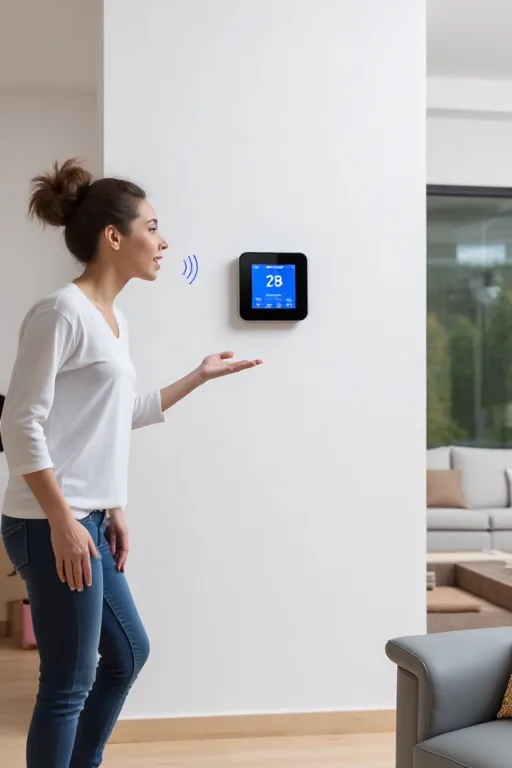
A voice activated thermostat is a smart device that allows you to control your home's heating, ventilation, and air conditioning (HVAC) system using voice commands. Integrated with virtual assistants like Amazon Alexa, Google Assistant, or Apple Siri, these thermostats offer hands-free operation, enabling you to adjust temperatures, set schedules, and monitor energy usage effortlessly.

Key Features:

  • Voice Control: Adjust settings using simple voice commands.
  • Remote Access: Control your thermostat from anywhere using a smartphone app.
  • Learning Capabilities: Some models learn your schedule and preferences to optimize comfort and efficiency.
  • Energy Reports: Monitor and analyze your energy usage to make informed decisions.
  • Integration with Smart Home Systems: Seamlessly connect with other smart devices in your home.

Benefits of Voice Activated Thermostats

Voice activated thermostats offer a myriad of benefits that enhance both convenience and efficiency in managing your home's climate.

1. Enhanced Convenience

With voice commands, adjusting your thermostat becomes effortless. Whether you're lounging on the couch, cooking in the kitchen, or settling into bed, you can easily change the temperature without reaching for a remote or wall control.

2. Energy Efficiency and Cost Savings

Voice activated thermostats often come equipped with smart features that optimize energy usage. By learning your habits and adjusting settings accordingly, they help reduce unnecessary heating and cooling, leading to significant savings on your energy bills.

3. Personalized Comfort

These thermostats can create customized heating and cooling schedules that align with your lifestyle. Whether you prefer a cooler environment at night or a warmer setting in the morning, your thermostat can adapt to meet your specific comfort needs.

4. Improved Indoor Air Quality

Some voice activated thermostats include advanced air quality sensors that monitor and adjust ventilation to maintain a healthy indoor environment. This feature is particularly beneficial for those with allergies or respiratory issues.

5. Seamless Integration with Smart Home Systems

Voice activated thermostats can integrate with other smart devices in your home, such as smart lights, security systems, and entertainment centers. This integration allows for a more cohesive and automated home experience.

Popular Voice Activated Thermostat Brands

Several brands offer high-quality voice activated thermostats, each with unique features and capabilities. Here are some of the most popular options available in Colleyville, Texas:

1. Nest Learning Thermostat

Nest is a pioneer in smart thermostat technology. The Nest Learning Thermostat not only responds to voice commands but also learns your preferences over time, automatically adjusting settings for optimal comfort and energy savings.

2. ecobee SmartThermostat

ecobee offers a range of smart thermostats with robust voice control features. Their SmartThermostat includes built-in Amazon Alexa functionality, allowing you to control your HVAC system and other smart devices with ease.

3. Honeywell Home T9

Honeywell's T9 Smart Thermostat integrates with multiple voice assistants and offers remote sensors to manage temperatures in different rooms. This ensures consistent comfort throughout your home.

4. Emerson Sensi Touch

The Emerson Sensi Touch Thermostat is known for its user-friendly interface and reliable voice control capabilities. It seamlessly connects with Alexa and Google Assistant, providing versatile control options.

5. Google Nest Thermostat

The Google Nest Thermostat combines intuitive design with powerful voice control features. It offers real-time energy usage reports and integrates effortlessly with other Google smart home products.

Why Choose Voice Activated Thermostats in Colleyville, Texas?

Colleyville, Texas, experiences a diverse climate with hot summers and cold winters, making efficient HVAC systems essential for year-round comfort. Voice activated thermostats are particularly beneficial in this region for several reasons:

1. Managing Extreme Temperatures

With the ability to make real-time adjustments, voice activated thermostats help maintain optimal indoor temperatures during extreme weather conditions, ensuring your home remains comfortable regardless of the season.

2. Enhancing Energy Efficiency

Energy costs can be significant in Colleyville due to the need for both heating and cooling. Voice activated thermostats optimize energy usage, reducing waste and lowering your utility bills.

3. Integrating with Smart Home Systems

Colleyville homeowners often invest in smart home technologies. Voice activated thermostats seamlessly integrate with these systems, providing a unified and automated home management experience.

4. Increasing Property Value

Installing a voice activated thermostat is a valuable upgrade that can increase the appeal and value of your home. Prospective buyers recognize the benefits of smart HVAC systems, making your property more attractive in the market.

5. Reliable HVAC Services

Local HVAC service providers in Colleyville are well-versed in the installation and maintenance of voice activated thermostats. This ensures you receive professional support tailored to your specific needs.

Installation and Maintenance of Voice Activated Thermostats

Proper installation and regular maintenance are crucial for maximizing the benefits of your voice activated thermostat. Here’s what you need to know:

1. Professional Installation

While some smart thermostats are DIY-friendly, professional installation is recommended to ensure optimal performance and compatibility with your existing HVAC system. Local HVAC technicians in Colleyville can handle the installation process, providing peace of mind and expertise.

2. Initial Setup and Configuration

After installation, configuring your thermostat to align with your preferences and lifestyle is essential. This includes setting temperature schedules, connecting to your Wi-Fi network, and integrating with voice assistants.

3. Regular Maintenance

To keep your voice activated thermostat functioning efficiently, regular maintenance is necessary. This includes updating firmware, replacing filters, and ensuring all connections remain secure.

4. Troubleshooting Common Issues

While voice activated thermostats are generally reliable, occasional issues may arise. Common problems include connectivity issues, unresponsive voice commands, and inaccurate temperature readings. Consulting with a professional HVAC technician can help resolve these issues promptly.

Cost and Savings of Voice Activated Thermostats

Investing in a voice activated thermostat can lead to significant cost savings over time, despite the initial investment.

1. Upfront Costs

The cost of voice activated thermostats varies based on the brand and features. On average, prices range from $150 to $300, excluding installation fees. Premium models with advanced features may cost more.

2. Energy Savings

By optimizing your HVAC system’s operation, voice activated thermostats can reduce energy consumption by up to 10-12%. This translates to substantial savings on your monthly utility bills.

3. Return on Investment (ROI)

Considering the energy savings and potential increase in property value, the ROI on a voice activated thermostat is highly favorable. Many homeowners recoup their initial investment within a few years through reduced energy costs.

4. Rebates and Incentives

Local utility companies and government programs in Texas may offer rebates or incentives for installing energy-efficient HVAC systems, including voice activated thermostats. Check with your HVAC provider or local authorities to explore available options.

Integration with Smart Home Systems

Voice activated thermostats are designed to integrate seamlessly with various smart home systems, enhancing the overall functionality and convenience of your living space.

1. Compatibility with Virtual Assistants

Most voice activated thermostats are compatible with popular virtual assistants like Amazon Alexa, Google Assistant, and Apple Siri. This allows you to control your HVAC system using simple voice commands, integrating it into your broader smart home ecosystem.

2. Automation and Scheduling

Integrating your thermostat with smart home systems enables automated scheduling based on your daily routines. For example, your HVAC system can adjust temperatures when you leave for work or return home, optimizing comfort and energy usage without manual intervention.

3. Remote Monitoring and Control

With integration into smart home platforms, you can monitor and control your thermostat remotely. This feature is particularly useful for adjusting settings while away from home, ensuring your HVAC system is always operating efficiently.

4. Enhanced Security Features

Some smart thermostats offer additional security features, such as temperature alerts and automated adjustments in response to unusual activity. This not only enhances comfort but also contributes to the overall security of your home.

5. Integration with Other Smart Devices

Voice activated thermostats can work in tandem with other smart devices like smart lights, security cameras, and smart locks, creating a cohesive and interconnected smart home environment.

Choosing the Right Voice Activated Thermostat for Your Home

Selecting the ideal voice activated thermostat for your home involves considering several factors to ensure it meets your specific needs and preferences.

1. Compatibility with Your HVAC System

Ensure that the thermostat you choose is compatible with your existing HVAC system. Check the specifications and consult with a professional HVAC technician if necessary.

2. Voice Assistant Preferences

Different thermostats offer varying levels of compatibility with voice assistants. Choose one that aligns with your preferred virtual assistant for seamless integration.

3. Features and Functionality

Consider the features that are most important to you, such as learning capabilities, energy reports, remote access, and multi-zone control. Select a thermostat that offers the functionalities you value most.

4. Budget

Determine your budget and explore thermostats within your price range. Remember to factor in potential installation costs and any available rebates or incentives.

5. User Interface and Ease of Use

Choose a thermostat with an intuitive interface and user-friendly controls. A well-designed interface can enhance your overall experience and make managing your HVAC system more straightforward.

6. Brand Reputation and Support

Select a thermostat from a reputable brand known for quality and reliability. Additionally, ensure that the brand offers robust customer support and warranty options.

Troubleshooting Common Issues with Voice Activated Thermostats

While voice activated thermostats are designed for reliability, occasional issues may arise. Here are some common problems and troubleshooting tips:

1. Connectivity Issues

If your thermostat is having trouble connecting to your Wi-Fi network, try restarting your router and thermostat. Ensure that your Wi-Fi signal is strong and that there are no obstructions interfering with the connection.

2. Unresponsive Voice Commands

If your thermostat isn't responding to voice commands, check the microphone settings and ensure that your virtual assistant is functioning correctly. You may need to reconfigure the device or update its firmware.

3. Inaccurate Temperature Readings

Inaccurate temperature readings can be caused by improper placement of the thermostat or dirty sensors. Ensure that the thermostat is installed in an optimal location, away from direct sunlight and drafts, and clean the sensors if necessary.

4. Software Glitches

Software glitches can be resolved by restarting the thermostat or performing a factory reset. Ensure that your device is running the latest firmware version.

5. Integration Problems with Smart Home Devices

If your thermostat isn't integrating smoothly with other smart home devices, check the compatibility settings and ensure that all devices are connected to the same network. Reconfigure the integrations if needed.

For persistent issues, contacting a professional HVAC technician or the manufacturer's customer support can provide additional assistance.

Future Trends in Voice Activated Thermostats

The future of voice activated thermostats is promising, with continuous advancements aimed at enhancing functionality, efficiency, and user experience. Here are some trends to watch:

1. Enhanced AI Integration

Artificial Intelligence (AI) will play a more significant role in predicting user preferences and optimizing HVAC performance. Future thermostats will leverage AI to learn and adapt more effectively, providing even greater energy savings and comfort.

2. Greater Interconnectivity with Smart Devices

As smart home ecosystems expand, voice activated thermostats will offer deeper integration with a broader range of devices, creating a more unified and automated home environment.

3. Improved Energy Management

Advanced energy management features will allow thermostats to not only optimize HVAC performance but also manage energy consumption across the entire home, contributing to overall sustainability.

4. Voice Recognition Advancements

Future thermostats will feature more sophisticated voice recognition capabilities, allowing them to understand multiple languages, accents, and commands with greater accuracy.

5. Sustainable and Eco-Friendly Designs

With a growing emphasis on sustainability, manufacturers will focus on creating eco-friendly thermostats using sustainable materials and energy-efficient technologies.

6. Enhanced Security Features

As smart devices become more prevalent, security will be a priority. Future thermostats will incorporate advanced security features to protect against cyber threats and unauthorized access.

These trends will continue to make voice activated thermostats more integral to modern smart homes, offering enhanced convenience, efficiency, and sustainability.

Conclusion

Voice activated thermostats represent a significant leap forward in home climate control, offering unparalleled convenience, energy efficiency, and personalized comfort. In Colleyville, Texas, where maintaining a comfortable indoor environment is essential, these smart devices are transforming the way homeowners interact with their HVAC systems.

By integrating with smart home technologies, optimizing energy usage, and providing advanced air quality enhancements, voice activated thermostats not only improve your living experience but also contribute to long-term cost savings and environmental sustainability. As technology continues to evolve, the capabilities of voice activated thermostats will expand, offering even more sophisticated features and greater integration with other smart devices.

Investing in a voice activated thermostat is a wise decision for any homeowner looking to enhance comfort, reduce energy costs, and embrace the future of smart home living. Partnering with a knowledgeable HVAC professional in Colleyville ensures that you select the right thermostat for your needs and enjoy seamless installation and ongoing support.

Frequently Asked Questions (FAQs)

1. What is a voice activated thermostat?

A voice activated thermostat is a smart device that allows you to control your heating, ventilation, and air conditioning (HVAC) system using voice commands through virtual assistants like Amazon Alexa, Google Assistant, or Apple Siri.

2. How do voice activated thermostats save energy?

They optimize energy usage by adjusting temperatures based on your schedule and preferences, reducing unnecessary heating and cooling, and providing detailed energy usage reports to help you make informed decisions.

3. Are voice activated thermostats compatible with all HVAC systems?

Most voice activated thermostats are compatible with a wide range of HVAC systems, but it's essential to check compatibility with your specific system or consult with a professional HVAC technician in Colleyville.

4. Can I control my thermostat when I'm not at home?

Yes, most voice activated thermostats offer remote access through smartphone apps, allowing you to control your HVAC system from anywhere with an internet connection.

5. Do voice activated thermostats require a subscription?

No, most voice activated thermostats do not require a subscription. However, some advanced features or integrations may offer premium services that could involve additional costs.

6. How secure are voice activated thermostats?

Modern voice activated thermostats incorporate robust security measures, including encrypted connections and secure login protocols, to protect against unauthorized access. It's important to keep your device's firmware updated for optimal security.

7. Can multiple users control the thermostat?

Yes, most voice activated thermostats allow multiple users to control the device, provided they have access to the associated virtual assistant or smartphone app.

8. How difficult is it to install a voice activated thermostat?

Installation difficulty varies by model. While some thermostats are designed for easy DIY installation, others may require professional installation to ensure compatibility and optimal performance.

9. Do voice activated thermostats have backup power?

Most smart thermostats have a backup battery to maintain settings during power outages. However, it's advisable to check the specifications of the particular model you choose.

10. Can I schedule temperature changes with a voice activated thermostat?

Yes, you can create schedules using voice commands or through the thermostat's smartphone app, allowing for automated temperature adjustments based on your daily routines.

11. What maintenance is required for a voice activated thermostat?

Regular maintenance includes keeping the device clean, updating firmware, replacing batteries if necessary, and ensuring it remains connected to your Wi-Fi network for optimal performance.

12. Can voice activated thermostats improve indoor air quality?

Yes, some models include advanced air quality sensors and controls that help maintain optimal humidity levels and filter out pollutants, enhancing overall indoor air quality.

13. Are voice activated thermostats environmentally friendly?

Yes, by optimizing energy usage and reducing unnecessary heating and cooling, voice activated thermostats contribute to lower energy consumption and a smaller carbon footprint.

14. How do voice activated thermostats integrate with other smart home devices?

They can connect with other smart devices like lights, security systems, and entertainment systems through platforms like Amazon Alexa, Google Home, or Apple HomeKit, allowing for coordinated automation and control.

15. Can I use voice commands to adjust settings for different rooms?

If you have a multi-zone HVAC system with compatible sensors, you can use voice commands to adjust settings for specific areas or rooms within your home.

16. What should I do if my voice activated thermostat isn't responding?

First, check the internet connection and ensure the thermostat is properly connected to your Wi-Fi network. Restart the device and verify that your virtual assistant is functioning correctly. If the issue persists, contact your HVAC technician for assistance.

17. Do voice activated thermostats support multiple languages?

Many modern voice activated thermostats support multiple languages, especially those integrated with virtual assistants like Amazon Alexa and Google Assistant, which offer multilingual support.

18. Can I monitor energy usage with a voice activated thermostat?

Yes, most smart thermostats provide detailed energy usage reports through their smartphone apps or online dashboards, helping you track and manage your energy consumption effectively.

19. Are voice activated thermostats compatible with old HVAC systems?

Compatibility depends on the specific thermostat model and the type of HVAC system. It's best to consult with a professional HVAC technician in Colleyville to determine compatibility and ensure proper installation.

20. How do voice activated thermostats enhance home security?

Some thermostats can detect unusual temperature changes that may indicate security issues, and when integrated with other smart devices, they can provide alerts and automate responses to enhance your home's security.

Additional Relevant Keywords

  • Smart thermostats Colleyville
  • HVAC voice control
  • Energy-efficient thermostats Texas
  • Colleyville smart home solutions
  • Thermostat installation Colleyville
  • Voice-controlled HVAC Colleyville
  • Smart home technology Texas
  • Colleyville HVAC services
  • Programmable thermostats Colleyville
  • Alexa compatible thermostats
  • Google Home thermostats Colleyville
  • Smart climate control Texas
  • HVAC upgrades Colleyville
  • Thermostat maintenance Texas
  • Colleyville energy savings
  • Wireless thermostats Texas
  • Remote thermostat control Colleyville
  • HVAC contractors Colleyville
  • Smart home integration Texas
  • Smart thermostat features
  • Voice activated climate control
  • Colleyville home automation
  • Smart HVAC solutions Texas
  • Thermostat repair Colleyville
  • Smart home HVAC integration
  • Advanced thermostat technology

© 2024 Your HVAC Company. All rights reserved.