Sustainable HVAC Systems in Commercial Buildings: Enhancing Efficiency and Reducing Environmental Impact
Introduction to Sustainable HVAC Systems
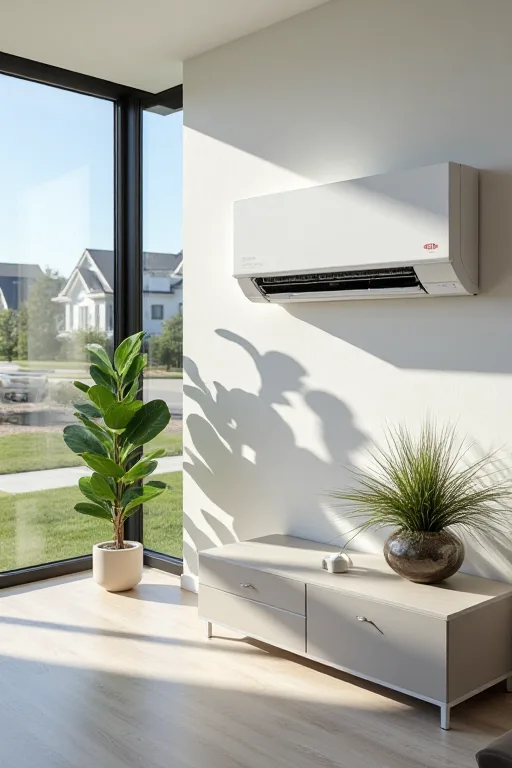
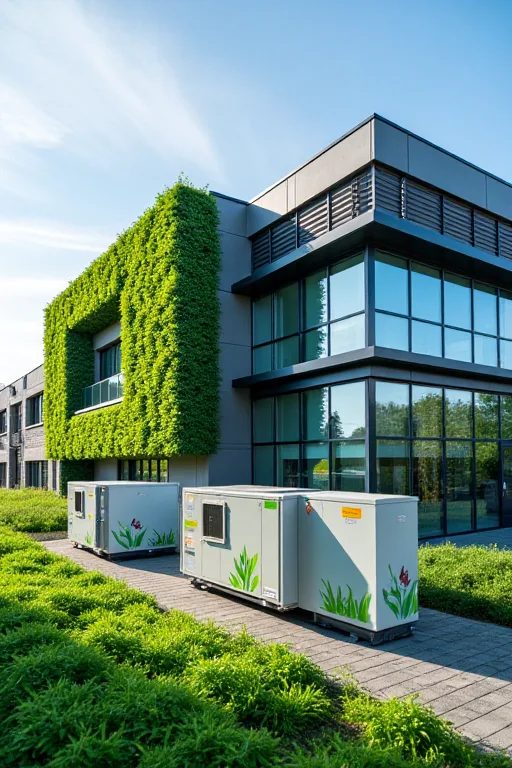
Heating, Ventilation, and Air Conditioning (HVAC) systems are the backbone of any commercial building, ensuring a comfortable and healthy indoor environment. However, traditional HVAC systems are notorious for their high energy consumption and substantial environmental impact. As the demand for greener buildings intensifies, the focus has shifted towards sustainable HVAC systems that prioritize energy efficiency, reduce carbon emissions, and utilize eco-friendly technologies.
Sustainable HVAC systems are not just about reducing energy bills; they encompass a holistic approach to building management that integrates renewable energy sources, smart technologies, and sustainable practices. These systems are designed to optimize performance, adapt to varying environmental conditions, and contribute to the overall sustainability goals of the building.
The Importance of Sustainability in Commercial Buildings
Environmental Impact
Commercial buildings are significant contributors to global energy consumption and greenhouse gas emissions. According to the International Energy Agency (IEA), buildings account for approximately 40% of global energy use and 30% of CO2 emissions. HVAC systems, being the primary energy consumers within buildings, play a crucial role in this scenario. Transitioning to sustainable HVAC solutions can substantially mitigate these impacts, aligning with global efforts to combat climate change.
Economic Benefits
Sustainability is not solely an environmental imperative but also an economic one. Sustainable HVAC systems can lead to considerable cost savings through reduced energy consumption, lower maintenance costs, and extended equipment lifespan. Additionally, energy-efficient buildings often qualify for various incentives, rebates, and tax credits, further enhancing their economic viability.
Health and Well-being
Sustainable HVAC systems contribute to improved indoor air quality (IAQ), which is paramount for the health and well-being of occupants. Enhanced ventilation, advanced filtration, and humidity control mechanisms ensure a healthier indoor environment, reducing the prevalence of illnesses and increasing productivity.
Regulatory Compliance
Governments and regulatory bodies worldwide are implementing stringent building codes and standards aimed at promoting sustainability. Adopting sustainable HVAC systems ensures compliance with these regulations, avoiding potential fines and enhancing the building’s marketability.
Corporate Social Responsibility (CSR)
For businesses, embracing sustainability reflects a commitment to corporate social responsibility. It enhances brand reputation, attracts environmentally conscious clients and employees, and demonstrates leadership in sustainable practices.
Understanding HVAC Systems
Components of HVAC Systems
- Heating Equipment: This includes boilers, furnaces, and heat pumps that provide warmth during colder months.
- Ventilation Systems: These systems ensure the circulation of fresh air, removing stale air and contaminants.
- Air Conditioning Units: These units cool the indoor environment, maintaining comfortable temperatures.
- Control Systems: Thermostats and Building Management Systems (BMS) regulate the operation of HVAC components.
- Ductwork and Piping: These distribute conditioned air and fluids throughout the building.
- Filtration Systems: Filters remove particulates and pollutants from the air, enhancing IAQ.
Functions of HVAC Systems
- Temperature Regulation: Maintaining desired indoor temperatures regardless of external weather conditions.
- Humidity Control: Managing moisture levels to prevent mold growth and ensure comfort.
- Air Quality Management: Ensuring the circulation of clean, fresh air by removing pollutants and contaminants.
- Energy Management: Optimizing energy usage to balance comfort and efficiency.
Traditional vs. Sustainable HVAC Systems
Traditional HVAC systems prioritize functionality over efficiency, often leading to excessive energy consumption and environmental degradation. In contrast, sustainable HVAC systems integrate advanced technologies and design principles aimed at minimizing energy use, reducing emissions, and promoting overall sustainability.
What Makes an HVAC System Sustainable?
A sustainable HVAC system is characterized by several key attributes that collectively enhance its environmental and economic performance.
Energy Efficiency
Energy efficiency is the cornerstone of sustainable HVAC systems. High-efficiency components, such as variable speed drives, energy-efficient compressors, and advanced heat exchangers, reduce energy consumption while maintaining optimal performance.
Renewable Energy Integration
Incorporating renewable energy sources, such as solar panels, geothermal energy, or wind power, into HVAC systems significantly reduces reliance on fossil fuels and lowers carbon emissions.
Smart Controls and Automation
Advanced control systems, including smart thermostats and IoT-enabled devices, allow for real-time monitoring and adjustments. These systems optimize HVAC operations based on occupancy, weather conditions, and usage patterns, enhancing efficiency and reducing waste.
Eco-Friendly Refrigerants
Traditional refrigerants often have high global warming potential (GWP). Sustainable HVAC systems utilize low-GWP refrigerants or natural refrigerants like ammonia, carbon dioxide, or hydrocarbons, minimizing environmental impact.
Lifecycle Sustainability
Sustainable HVAC systems are designed with their entire lifecycle in mind. This includes the use of recyclable materials, modular designs for easy upgrades, and strategies for end-of-life disposal or recycling, ensuring minimal environmental footprint throughout their lifespan.
Resilience and Adaptability
In the face of climate change and evolving environmental conditions, sustainable HVAC systems are built to be resilient and adaptable. They can efficiently operate under a wide range of conditions, ensuring consistent performance and reliability.
Key Components of Sustainable HVAC Systems
A sustainable HVAC system comprises various components that work in harmony to achieve energy efficiency and environmental sustainability. Here’s an in-depth look at the key components:
1. High-Efficiency Boilers and Chillers
Boilers and chillers are critical for heating and cooling applications. High-efficiency boilers utilize advanced combustion technologies to maximize heat transfer while minimizing fuel consumption. Similarly, high-efficiency chillers use optimized compressors and heat exchangers to reduce energy usage during cooling operations.
2. Variable Refrigerant Flow (VRF) Systems
VRF systems offer precise control over heating and cooling by varying the refrigerant flow based on demand. This adaptability ensures that energy is used only where and when it’s needed, significantly reducing wastage and enhancing overall system efficiency.
3. Energy Recovery Ventilation (ERV)
ERV systems capture energy from exhaust air to pre-condition incoming fresh air. By recovering both sensible and latent heat, ERVs reduce the load on HVAC systems, leading to substantial energy savings and improved indoor air quality.
4. Building Management Systems (BMS)
A BMS is a centralized control system that monitors and manages all HVAC operations. It collects data from various sensors, analyzes performance, and adjusts settings to optimize energy use, enhance comfort, and ensure system longevity.
5. Smart Thermostats and IoT Integration
Smart thermostats and IoT-enabled devices allow for real-time monitoring and control of HVAC systems. They enable automated adjustments based on occupancy, weather forecasts, and energy usage patterns, ensuring optimal performance and energy savings.
6. Advanced Filtration Systems
Modern filtration systems use high-efficiency filters, such as HEPA or activated carbon filters, to remove pollutants, allergens, and contaminants from the air. Enhanced filtration not only improves IAQ but also extends the lifespan of HVAC components by preventing buildup and corrosion.
7. Insulation and Sealing
Proper insulation and sealing of buildings are essential for reducing HVAC load. High-quality insulation materials and airtight seals prevent thermal leakage, maintaining indoor temperatures with minimal energy input.
8. Renewable Energy Integration
Integrating renewable energy sources like solar panels, geothermal heat pumps, or wind turbines with HVAC systems significantly reduces dependency on non-renewable energy, lowering operational costs and carbon emissions.
9. Thermal Storage Systems
Thermal storage involves storing excess thermal energy during low-demand periods for use during peak demand. This strategy balances energy usage, reduces strain on HVAC systems, and takes advantage of off-peak energy rates, enhancing cost-efficiency.
10. Sustainable Refrigerants
Using low-GWP refrigerants or natural refrigerants ensures that HVAC systems have a minimal impact on the environment. These refrigerants are safer, more efficient, and align with global efforts to phase out harmful substances.
Benefits of Implementing Sustainable HVAC Systems
Adopting sustainable HVAC systems offers a multitude of benefits that extend beyond environmental stewardship. Here’s a detailed exploration of these advantages:
1. Energy Savings
Sustainable HVAC systems are designed to optimize energy usage, often resulting in energy savings of up to 30%. High-efficiency components, smart controls, and renewable energy integration collectively reduce the energy demand, leading to lower utility bills and enhanced financial performance.
2. Reduced Carbon Footprint
By minimizing energy consumption and utilizing renewable energy sources, sustainable HVAC systems significantly lower carbon emissions. This reduction contributes to global efforts to combat climate change and aligns with international sustainability targets.
3. Improved Indoor Air Quality (IAQ)
Advanced filtration, ventilation, and humidity control mechanisms ensure a healthier indoor environment. Improved IAQ reduces the incidence of respiratory issues, enhances occupant comfort, and increases productivity, making commercial spaces more attractive to tenants and employees.
4. Long-Term Cost Efficiency
While the initial investment in sustainable HVAC systems may be higher, the long-term savings from reduced energy consumption, lower maintenance costs, and extended equipment lifespan make them economically viable. Additionally, potential incentives and rebates can offset initial costs, enhancing return on investment (ROI).
5. Enhanced Building Value
Sustainable buildings often command higher market values and rental rates. Energy-efficient buildings are more attractive to environmentally conscious tenants and investors, increasing property value and marketability.
6. Regulatory Compliance
Adopting sustainable HVAC systems ensures compliance with current and future building codes and environmental regulations. This compliance prevents potential fines, legal issues, and reputational damage, safeguarding the building’s operational continuity.
7. Resilience and Reliability
Sustainable HVAC systems are built to be resilient and adaptable to changing environmental conditions. Their ability to operate efficiently under diverse scenarios ensures consistent performance and reliability, reducing downtime and operational disruptions.
8. Corporate Social Responsibility (CSR)
Implementing sustainable HVAC systems demonstrates a commitment to CSR. It enhances the organization’s reputation, attracts like-minded clients and employees, and showcases leadership in sustainable practices, fostering a positive corporate image.
9. Technological Advancement
Adopting sustainable HVAC systems keeps buildings at the forefront of technological advancements. Integration with smart technologies and IoT enables buildings to stay competitive and responsive to evolving market demands and occupant expectations.
10. Enhanced Occupant Comfort
Sustainable HVAC systems provide precise temperature and humidity control, ensuring a comfortable indoor environment. Enhanced comfort levels contribute to higher occupant satisfaction, well-being, and productivity.
Challenges in Adopting Sustainable HVAC Solutions
While the benefits of sustainable HVAC systems are compelling, several challenges can impede their adoption. Understanding and addressing these challenges is crucial for successful implementation.
1. High Initial Investment
Sustainable HVAC systems often require a significant upfront investment due to the cost of high-efficiency components, advanced control systems, and renewable energy integrations. For some businesses, especially small to medium-sized enterprises (SMEs), securing the necessary capital can be a barrier.
2. Complex Integration with Existing Infrastructure
Integrating new sustainable HVAC technologies with existing building infrastructure can be technically challenging. It may require extensive retrofitting, specialized expertise, and careful planning to ensure compatibility and seamless operation.
3. Limited Awareness and Expertise
Many building owners and facility managers may lack awareness of the latest sustainable HVAC technologies and their benefits. Additionally, there is often a shortage of professionals with the expertise to design, install, and maintain these advanced systems.
4. Maintenance and Operational Complexity
Sustainable HVAC systems, with their advanced components and smart technologies, can be more complex to maintain and operate. Regular maintenance, timely upgrades, and continuous monitoring are essential to ensure optimal performance, which may require additional resources and training.
5. Uncertain Return on Investment (ROI)
The ROI for sustainable HVAC systems can vary based on factors such as energy prices, usage patterns, and available incentives. Uncertainty regarding the payback period can deter investment, especially in volatile economic climates.
6. Regulatory and Compliance Hurdles
Navigating the complex landscape of building codes, standards, and regulations related to sustainability can be daunting. Compliance requirements may vary by region, adding another layer of complexity to the adoption process.
7. Technological Rapid Evolution
The HVAC technology landscape is rapidly evolving, with new innovations and standards emerging regularly. Keeping up with these changes and ensuring that systems remain up-to-date can be challenging for building owners and managers.
8. Space Constraints
Implementing sustainable HVAC solutions often requires additional space for components like renewable energy installations, advanced ventilation systems, or thermal storage units. In buildings with limited space, finding suitable locations can be difficult.
9. Disruption During Installation
Upgrading to sustainable HVAC systems may necessitate construction work that can disrupt building operations. Minimizing downtime and managing the installation process efficiently is critical to maintaining business continuity.
10. Financial Constraints and Access to Incentives
Accessing financing options, incentives, and rebates can be complicated. Navigating the available financial support and ensuring eligibility requires dedicated effort and expertise, which can be a hurdle for some businesses.
Innovative Technologies Driving Sustainable HVAC
The HVAC industry is witnessing a surge in innovative technologies that enhance sustainability, efficiency, and performance. Here are some of the most impactful advancements shaping the future of sustainable HVAC systems:
1. Geothermal Heat Pumps
Geothermal heat pumps leverage the stable temperatures underground to provide heating and cooling with minimal energy consumption. By utilizing the earth’s natural thermal properties, these systems offer high efficiency and low operating costs, making them a cornerstone of sustainable HVAC solutions.
2. Smart Thermostats and IoT Integration
Smart thermostats and Internet of Things (IoT) devices enable real-time monitoring, data collection, and automated adjustments of HVAC systems. These technologies optimize energy usage based on occupancy patterns, weather forecasts, and user preferences, enhancing efficiency and reducing waste.
3. Solar-Powered HVAC Systems
Solar-powered HVAC systems harness solar energy to power heating and cooling operations. By integrating photovoltaic panels with HVAC units, buildings can reduce their reliance on grid electricity, lower energy bills, and decrease carbon emissions.
4. Advanced Building Materials
Innovative building materials with high thermal mass, superior insulation properties, and reflective surfaces help reduce the HVAC load by maintaining stable indoor temperatures. These materials enhance energy efficiency and contribute to overall building sustainability.
5. Hybrid HVAC Systems
Hybrid systems combine traditional HVAC technologies with renewable energy sources, such as solar or geothermal energy. This integration ensures reliable performance while maximizing energy efficiency and minimizing environmental impact.
6. Variable Refrigerant Flow (VRF) Systems
VRF systems offer precise control over heating and cooling by varying the refrigerant flow based on demand. This adaptability enhances energy efficiency, reduces operational costs, and provides customized comfort for different building zones.
7. Energy Storage Solutions
Energy storage technologies, such as thermal storage tanks, allow buildings to store excess thermal energy during low-demand periods for use during peak times. This strategy balances energy usage, reduces strain on HVAC systems, and takes advantage of off-peak energy rates.
8. Artificial Intelligence and Machine Learning
AI and machine learning algorithms analyze vast amounts of data from HVAC systems to predict maintenance needs, optimize performance, and enhance energy management. These technologies enable proactive maintenance, reducing downtime and improving system efficiency.
9. Carbon Capture and Utilization
Emerging carbon capture technologies integrated with HVAC systems can capture and utilize CO2 emissions from building operations. This approach not only reduces greenhouse gas emissions but also opens avenues for sustainable resource utilization.
10. Modular and Prefabricated HVAC Units
Modular HVAC units offer flexibility in installation and scalability, allowing for easy upgrades and maintenance. Prefabricated systems reduce construction time, minimize on-site disruptions, and ensure consistent quality, enhancing the overall sustainability of building projects.
11. Radiant Heating and Cooling Systems
Radiant systems provide heating and cooling by directly transferring thermal energy to surfaces within a building, such as floors and walls. This method offers higher efficiency, improved comfort, and reduced energy consumption compared to traditional forced-air systems.
12. Demand-Controlled Ventilation (DCV)
DCV systems adjust ventilation rates based on real-time occupancy and air quality data. By providing ventilation only when necessary, these systems enhance energy efficiency and maintain optimal indoor air quality.
13. Nanotechnology in HVAC
Nanotechnology enhances HVAC systems by improving materials, coatings, and filtration technologies. Nanocoatings can increase surface efficiency, while nanofilters capture smaller particulates, enhancing air quality and system performance.
14. Thermoelectric HVAC Systems
Thermoelectric systems use solid-state devices to provide heating and cooling through the Peltier effect. These systems are compact, energy-efficient, and environmentally friendly, offering an alternative to traditional HVAC technologies.
15. Integrated Renewable Energy Systems
Integrated systems combine multiple renewable energy sources, such as solar, wind, and geothermal, with HVAC operations. This holistic approach ensures a reliable and sustainable energy supply, enhancing overall system resilience and efficiency.
Best Practices for Maintaining Sustainable HVAC Systems
Maintaining sustainable HVAC systems requires a proactive and strategic approach to ensure optimal performance, longevity, and efficiency. Here are some best practices to consider:
1. Regular Maintenance and Inspections
Scheduled maintenance is essential for identifying and addressing potential issues before they escalate. Regular inspections, cleaning, and servicing of HVAC components ensure they operate efficiently and extend their lifespan.
2. Optimize System Settings
Fine-tuning system settings based on building usage, occupancy patterns, and environmental conditions can significantly enhance energy efficiency. Adjusting temperature setpoints, ventilation rates, and operational schedules ensures the system operates only when necessary.
3. Upgrade Components as Needed
Modernizing outdated components with energy-efficient alternatives can improve system performance and reduce energy consumption. Upgrading to high-efficiency motors, smart controls, and advanced filtration systems enhances overall sustainability.
4. Employee Training and Awareness
Educating staff on the importance of sustainability and proper HVAC usage fosters a culture of energy conservation. Training employees on system operations, energy-saving practices, and maintenance procedures ensures collective responsibility for sustainability goals.
5. Monitor Energy Usage
Implementing energy monitoring systems allows for real-time tracking of HVAC energy consumption. Analyzing this data helps identify inefficiencies, track performance metrics, and make informed decisions to optimize energy use.
6. Implement Preventive Maintenance Programs
Preventive maintenance involves routine checks and servicing to prevent unexpected breakdowns and maintain system efficiency. This approach reduces downtime, lowers repair costs, and ensures consistent performance.
7. Utilize Building Management Systems (BMS)
BMS platforms provide centralized control and monitoring of HVAC systems. Leveraging BMS capabilities for automated adjustments, data analysis, and performance optimization enhances energy management and system reliability.
8. Incorporate Smart Technologies
Smart sensors and automation enable dynamic adjustments based on real-time data, ensuring HVAC systems operate efficiently and respond to changing conditions. Integrating IoT devices with HVAC systems enhances control and energy management.
9. Maintain Proper Insulation and Sealing
Ensuring adequate insulation and airtight sealing minimizes thermal leakage, reducing the HVAC load. Regularly inspecting and maintaining insulation and seals prevents energy loss and maintains indoor temperature stability.
10. Conduct Energy Audits
Periodic energy audits assess the efficiency of HVAC systems and identify opportunities for improvement. Audits provide actionable insights into energy usage patterns, system performance, and potential upgrades to enhance sustainability.
11. Optimize Ventilation Strategies
Balancing ventilation needs with energy conservation ensures optimal indoor air quality without unnecessary energy expenditure. Implementing strategies like demand-controlled ventilation (DCV) and energy recovery ventilation (ERV) enhances efficiency.
12. Invest in Quality Components
Using high-quality, durable components reduces the frequency of repairs and replacements. Investing in reliable parts ensures consistent system performance and minimizes disruptions to building operations.
13. Implement Thermal Zoning
Dividing the building into thermal zones allows for targeted heating and cooling based on specific area needs. Thermal zoning reduces energy wastage by ensuring HVAC systems operate only where required.
14. Utilize Renewable Energy Sources
Integrating renewable energy sources with HVAC systems reduces dependency on non-renewable energy and lowers operational costs. Solar panels, geothermal heat pumps, and wind turbines provide sustainable energy solutions.
15. Engage in Continuous Improvement
Adopting a mindset of continuous improvement ensures that HVAC systems evolve with technological advancements and changing building needs. Regularly reviewing system performance and implementing enhancements keeps HVAC operations sustainable and efficient.
Future Trends in Sustainable HVAC
The HVAC industry is poised for significant advancements as technology evolves and sustainability becomes increasingly paramount. Here are some of the emerging trends shaping the future of sustainable HVAC systems:
1. Increased Automation and Artificial Intelligence (AI)
AI and machine learning are set to revolutionize HVAC operations by enabling predictive maintenance, real-time optimization, and intelligent energy management. These technologies analyze vast amounts of data to forecast system needs, prevent failures, and enhance overall efficiency.
2. Expansion of Renewable Energy Integration
The integration of multiple renewable energy sources with HVAC systems will become more prevalent. Combining solar, wind, and geothermal energy with HVAC operations ensures a diversified and sustainable energy supply, enhancing system resilience and reducing carbon footprints.
3. Enhanced Building Management Systems (BMS)
Next-generation BMS platforms will offer more comprehensive control, data analytics, and integration capabilities. These systems will facilitate seamless communication between HVAC components, renewable energy sources, and other building systems, fostering a holistic approach to building management.
4. Development of Zero-Carbon HVAC Systems
The pursuit of zero-carbon buildings will drive the development of HVAC systems that operate entirely on renewable energy, utilize carbon-neutral refrigerants, and incorporate carbon capture technologies. These systems aim to eliminate HVAC-related carbon emissions, contributing to global sustainability goals.
5. Advancements in Thermal Storage Solutions
Innovative thermal storage technologies will enhance HVAC system efficiency by storing excess thermal energy for later use. These solutions balance energy demand, reduce peak load pressures, and optimize energy usage, further enhancing sustainability.
6. Integration of Circular Economy Principles
Circular economy approaches will influence HVAC system design, emphasizing the reuse, recycling, and repurposing of materials and components. This shift minimizes waste, conserves resources, and promotes sustainable manufacturing and disposal practices.
7. Enhanced IoT Connectivity and Interoperability
Improved IoT connectivity will facilitate better communication and interoperability between HVAC systems and other building technologies. This interconnectedness allows for more efficient energy management, real-time monitoring, and comprehensive system control.
8. Personalized Comfort Solutions
Advanced comfort control technologies will enable personalized HVAC settings based on individual occupant preferences and behaviors. These solutions enhance occupant satisfaction while optimizing energy usage, balancing comfort with sustainability.
9. Integration of Biophilic Design Elements
Biophilic design, which incorporates natural elements into building design, will influence HVAC systems by promoting natural ventilation, daylighting, and integration with green spaces. This approach enhances occupant well-being and reduces the reliance on mechanical HVAC systems.
10. Adoption of Blockchain for Energy Management
Blockchain technology will be utilized for secure and transparent energy transactions, enabling peer-to-peer energy trading and decentralized energy management. This innovation enhances the efficiency and sustainability of HVAC operations by optimizing energy distribution and usage.
11. Focus on Resilience and Adaptability
Future HVAC systems will be designed for greater resilience and adaptability, capable of responding to extreme weather events and fluctuating energy demands. These systems ensure consistent performance and reliability in the face of environmental challenges.
12. Advanced Materials and Nanotechnology
Breakthroughs in materials science and nanotechnology will lead to the development of more efficient, durable, and sustainable HVAC components. These advancements enhance system performance, reduce energy consumption, and extend equipment lifespan.
13. Emphasis on Health and Wellness
Post-pandemic priorities will drive the integration of health and wellness features into HVAC systems, such as advanced air purification, pathogen detection, and humidity control. These features ensure healthier indoor environments and align with evolving occupant expectations.
14. Modular and Scalable HVAC Solutions
Modular HVAC systems offer flexibility in installation, upgrades, and scalability, accommodating changing building needs and technological advancements. This adaptability ensures that HVAC systems remain efficient and sustainable over time.
15. Regulatory and Policy Support
Government policies and incentives will continue to drive the adoption of sustainable HVAC systems, providing financial support, setting stringent efficiency standards, and encouraging innovation in the HVAC sector. These measures foster a conducive environment for sustainable HVAC advancements.
Case Studies: Successful Implementations of Sustainable HVAC
Examining real-world examples of sustainable HVAC implementations provides valuable insights into best practices, challenges, and outcomes. Here are some notable case studies showcasing the successful adoption of sustainable HVAC systems in commercial buildings:
1. The Edge, Amsterdam
The Edge, often hailed as the world’s greenest office building, incorporates an advanced sustainable HVAC system that integrates solar panels, geothermal energy, and intelligent building management. The system uses smart sensors and AI algorithms to optimize energy usage, achieving a BREEAM rating of 98.36%, the highest ever awarded.
- Geothermal Heat Pumps: Utilize underground thermal energy for heating and cooling.
- Solar Panels: Generate renewable energy to power HVAC operations.
- Smart Controls: Automated adjustments based on occupancy and environmental data.
- Energy Recovery Ventilation: Recaptures energy from exhaust air to pre-condition incoming air.
Outcomes:
- Energy Efficiency: Reduced energy consumption by 70% compared to traditional office buildings.
- Carbon Footprint: Achieved near-zero carbon emissions.
- Occupant Comfort: Enhanced indoor air quality and personalized comfort settings.
2. Bullitt Center, Seattle
Known as the “greenest commercial building” in the world, the Bullitt Center employs a sustainable HVAC system that emphasizes energy efficiency, renewable energy integration, and minimal environmental impact.
- All-Electric Systems: Eliminates fossil fuel use by relying entirely on electricity.
- Advanced Insulation: Reduces thermal load and enhances energy efficiency.
- Demand-Controlled Ventilation: Adjusts ventilation rates based on real-time occupancy.
- Rainwater Harvesting: Supports cooling and irrigation needs.
Outcomes:
- Energy Performance: Net-zero energy building, generating as much energy as it consumes.
- Water Efficiency: Uses rainwater and recycled water, minimizing water consumption.
- Sustainability Certification: Achieved the Living Building Challenge certification.
3. Apple Park, Cupertino
Apple Park, Apple’s corporate headquarters, features a state-of-the-art sustainable HVAC system that integrates cutting-edge technologies and renewable energy sources to achieve exceptional energy efficiency and environmental sustainability.
- Natural Ventilation: Utilizes operable windows and ventilation systems to reduce reliance on mechanical cooling.
- Solar Energy: One of the largest on-site solar installations powering HVAC operations.
- Geothermal Loops: Provide heating and cooling through underground thermal energy.
- Energy-Efficient Equipment: High-efficiency chillers and boilers enhance system performance.
Outcomes:
- Energy Savings: Significant reduction in energy consumption through renewable energy integration and efficient system design.
- Carbon Neutrality: Achieved carbon-neutral operations by offsetting emissions and using renewable energy.
- Occupant Well-being: High indoor air quality and comfort levels contribute to a healthy work environment.
4. Empire State Building, New York City
The Empire State Building underwent a massive retrofit to transform its HVAC systems into sustainable, energy-efficient solutions. This project serves as a benchmark for retrofitting historic buildings with modern sustainable technologies.
- High-Efficiency HVAC Units: Replaced outdated systems with modern, energy-efficient equipment.
- Building Automation System: Integrated controls for monitoring and optimizing HVAC operations.
- Energy Recovery Systems: Implemented systems to reclaim energy from exhaust air.
- Insulation Upgrades: Enhanced insulation to reduce thermal load on HVAC systems.
Outcomes:
- Energy Reduction: Achieved a 38% reduction in energy consumption.
- Cost Savings: Saved millions in energy costs annually.
- Sustainability Recognition: Earned LEED Gold certification and other sustainability accolades.
5. Salesforce Tower, San Francisco
Salesforce Tower employs a comprehensive sustainable HVAC system that integrates renewable energy, smart technologies, and advanced engineering to achieve high energy efficiency and minimal environmental impact.
- Triple-Glazed Windows: Enhance insulation and reduce HVAC load.
- Renewable Energy Integration: Utilizes solar panels and wind energy to power HVAC systems.
- Smart Thermostats and Sensors: Optimize temperature and ventilation based on real-time data.
- Efficient Chiller Systems: High-efficiency chillers reduce energy consumption during cooling operations.
Outcomes:
- Energy Efficiency: Reduced energy use by 25% compared to similar buildings.
- Carbon Emissions: Lowered carbon footprint through renewable energy utilization.
- Enhanced Occupant Experience: Improved indoor air quality and personalized comfort settings.
Conclusion
Sustainable HVAC systems are not merely an option but a necessity for commercial buildings striving to meet contemporary sustainability standards, reduce operational costs, and provide a healthy and comfortable environment for occupants. The integration of energy-efficient technologies, renewable energy sources, smart controls, and eco-friendly practices transforms HVAC systems from energy guzzlers to pillars of sustainability.
The journey towards sustainable HVAC implementation involves overcoming challenges such as high initial costs, technical complexities, and the need for specialized expertise. However, the long-term benefits—ranging from significant energy savings and reduced carbon footprints to enhanced indoor air quality and regulatory compliance—make this investment worthwhile.
As technology continues to advance, the future of sustainable HVAC systems looks promising, with innovations like AI-driven optimization, expanded renewable energy integration, and zero-carbon solutions paving the way for greener, smarter, and more resilient commercial buildings. Embracing these sustainable HVAC practices not only aligns with global environmental goals but also positions businesses at the forefront of sustainability leadership, driving positive change for the planet and future generations.
Frequently Asked Questions
- 1. What is a sustainable HVAC system?
- A sustainable HVAC system is designed to maximize energy efficiency, minimize environmental impact, and maintain high indoor air quality using advanced technologies and eco-friendly practices.
- 2. How do sustainable HVAC systems save energy?
- They utilize high-efficiency components, smart controls, renewable energy sources, and optimized designs to reduce energy consumption while maintaining optimal heating and cooling.
- 3. What are the key components of a sustainable HVAC system?
- Key components include high-efficiency boilers and chillers, Variable Refrigerant Flow (VRF) systems, Energy Recovery Ventilation (ERV), Building Management Systems (BMS), smart thermostats, advanced filtration systems, and eco-friendly refrigerants.
- 4. Can sustainable HVAC systems reduce operational costs?
- Yes, by lowering energy consumption, reducing maintenance needs, and extending equipment lifespan, sustainable HVAC systems can significantly reduce overall operational costs.
- 5. Are there any incentives for installing sustainable HVAC systems?
- Many governments and organizations offer tax credits, rebates, grants, and other incentives to encourage the adoption of sustainable HVAC technologies.
- 6. How do geothermal heat pumps work in sustainable HVAC?
- Geothermal heat pumps utilize the stable temperatures underground to provide heating and cooling with minimal energy consumption by exchanging heat with the earth.
- 7. What role do smart thermostats play in sustainable HVAC?
- Smart thermostats allow for real-time monitoring and automated adjustments of HVAC settings based on occupancy, weather conditions, and usage patterns, optimizing energy usage and enhancing efficiency.
- 8. What is the impact of sustainable HVAC on indoor air quality?
- Sustainable HVAC systems improve indoor air quality through advanced filtration, proper ventilation, and humidity control, creating a healthier indoor environment for occupants.
- 9. How does Energy Recovery Ventilation (ERV) contribute to sustainability?
- ERV systems capture energy from exhaust air to pre-condition incoming fresh air, reducing the overall energy demand for heating and cooling and enhancing system efficiency.
- 10. What are Variable Refrigerant Flow (VRF) systems?
- VRF systems are HVAC systems that vary the flow of refrigerant to different zones based on demand, providing precise temperature control and improving energy efficiency.
- 11. Is the initial cost of sustainable HVAC systems higher than traditional systems?
- Generally, yes, sustainable HVAC systems require a higher initial investment due to advanced technologies and components. However, the long-term energy savings and potential incentives often offset the initial costs.
- 12. How can businesses maintain sustainable HVAC systems effectively?
- Effective maintenance involves regular inspections, optimizing system settings, upgrading components as needed, training staff, and monitoring energy usage to ensure optimal performance and efficiency.
- 13. What are eco-friendly refrigerants?
- Eco-friendly refrigerants are substances with low global warming potential (GWP) and minimal environmental impact, such as ammonia, carbon dioxide, and certain hydrocarbons, used in sustainable HVAC systems.
- 14. Can sustainable HVAC systems be integrated with renewable energy sources?
- Yes, sustainable HVAC systems can be paired with renewable energy sources like solar panels, geothermal energy, and wind turbines to further enhance energy efficiency and reduce reliance on non-renewable energy.
- 15. What is a Building Management System (BMS) in HVAC?
- A BMS is a centralized system that monitors and manages all HVAC operations, using data from various sensors to optimize performance, enhance energy efficiency, and ensure system reliability.
- 16. Are sustainable HVAC systems suitable for all types of commercial buildings?
- Yes, sustainable HVAC systems can be tailored to fit the specific needs and infrastructure of various commercial spaces, including offices, retail stores, industrial facilities, and more.
- 17. How do sustainable HVAC systems contribute to LEED certification?
- By improving energy efficiency, reducing carbon emissions, enhancing indoor air quality, and integrating sustainable practices, HVAC systems play a crucial role in helping buildings achieve LEED (Leadership in Energy and Environmental Design) certification.
- 18. What maintenance challenges do sustainable HVAC systems present?
- Sustainable HVAC systems may require more frequent inspections, specialized knowledge for advanced components, and proactive monitoring to ensure optimal performance and longevity.
- 19. What future technologies are expected to enhance sustainable HVAC systems?
- Future technologies include AI-driven optimization, expanded renewable energy integration, zero-carbon solutions, advanced thermal storage, and circular economy approaches that promote recycling and reuse of HVAC components.
- 20. Why is sustainable HVAC important for commercial buildings?
- Sustainable HVAC systems reduce energy consumption, lower operational costs, minimize environmental impact, enhance indoor air quality, comply with regulations, and improve occupant comfort and productivity.
Additional Keywords
- Energy-efficient HVAC
- Green building solutions
- HVAC energy management
- Eco-friendly cooling systems
- Renewable HVAC technologies
- Smart HVAC systems
- Commercial energy savings
- Sustainable building design
- HVAC system optimization
- Low GWP refrigerants
- HVAC system retrofitting
- Thermal comfort in offices
- HVAC sustainability standards
- HVAC lifecycle management
- Passive cooling strategies
- HVAC automation
- Demand-controlled ventilation
- Sustainable HVAC financing
- HVAC system sustainability metrics
- Climate-responsive HVAC
- HVAC system integration
- Sustainable HVAC certifications
- Zero-carbon HVAC
- HVAC energy audits
- HVAC system scalability